

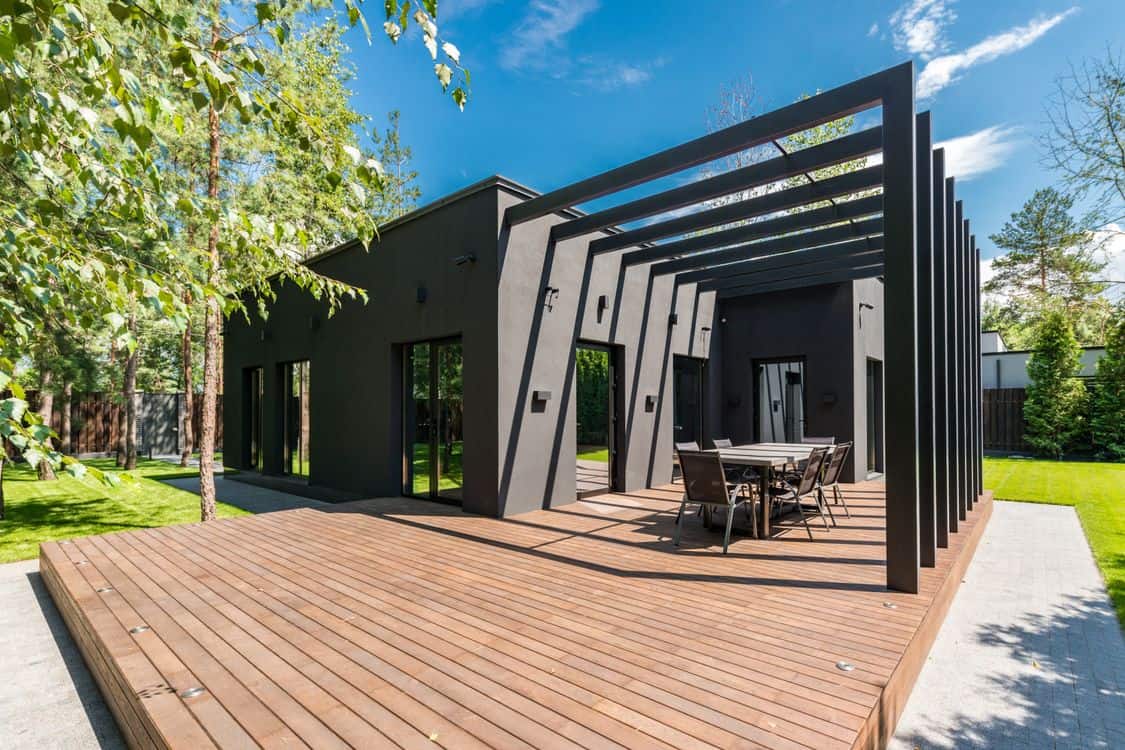
Aluminum doesn’t usually make the local news in Las Vegas. It’s the metal holding up half the patios in the valley, and nobody thinks about where it comes from until the price moves. In 2025 the price moved hard.
That June, the federal government doubled Section 232 tariffs on imported steel and aluminum from 25% to 50%, and it took effect within hours of the announcement. For an industry that runs on aluminum extrusions, that’s not a footnote. It reprices the whole job.
For anyone weighing a patio cover, the ripple is worth understanding, because it quietly reshapes which products make sense and which companies can still stand behind their quotes.
Why a trade policy shows up on your patio quote
A patio cover is, structurally, a lot of aluminum. Posts, beams, roofing panels, fasteners. When the metal underneath all of it gets more expensive, so does the finished product, and the increase doesn’t land evenly across the market.
Companies leaning on imported extrusions felt it right away. Suppliers reported softer order volumes as the higher tariff worked through the extrusion market and pushed domestic aluminum premiums up. Every link in that chain eventually reaches the customer.
The wrinkle for Las Vegas is that the two big patio-cover product lines here, Alumawood and Elitewood, are made domestically. That was already a selling point for quality and warranty reasons. It’s become a price-stability point too.
Made in the USA stopped being just a slogan
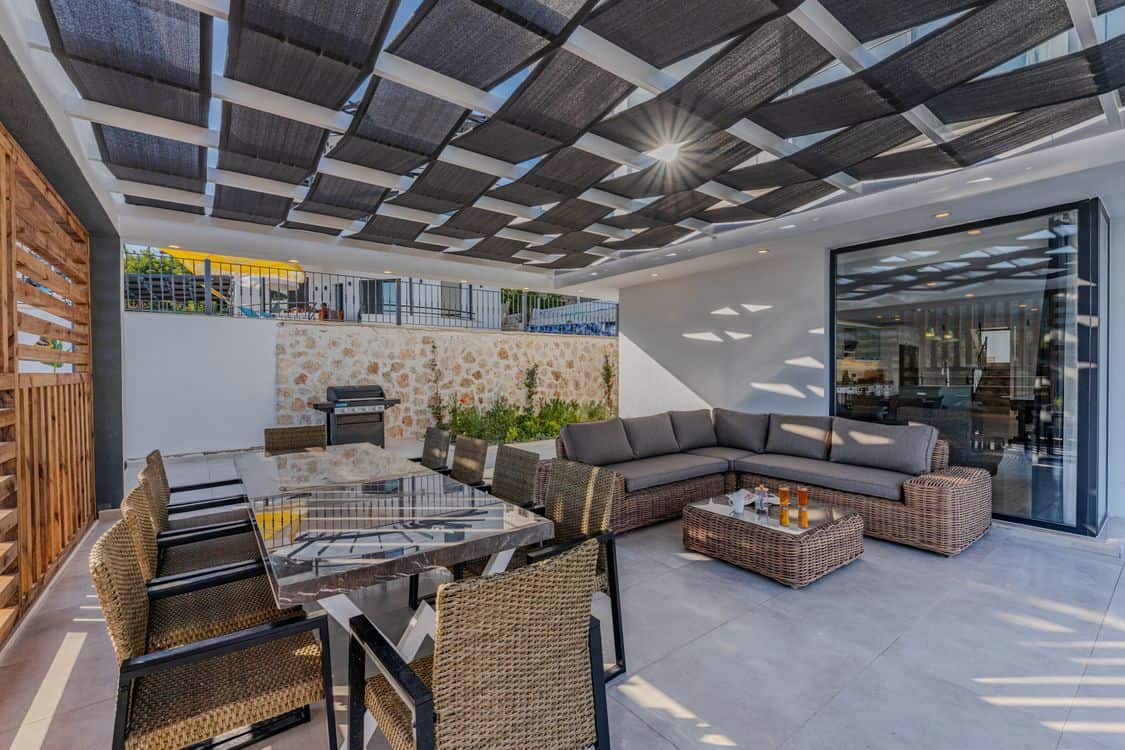
For years, “made in America” on a patio-cover brochure read like patriotic filler. In this trade climate it carries real money behind it.
Domestically produced aluminum systems sit behind the sharpest edges of import tariffs on finished goods. That doesn’t make them bulletproof. Raw aluminum prices move worldwide, and tariffs push domestic premiums up right along with them. But a product smelted, cast, and built inside the country skips the layered duties stacking onto imported derivatives.
The practical effect: a homeowner comparing quotes may find domestic aluminum systems holding their pricing steadier than products tied to a jumpy import pipeline. Steady pricing is worth something when you’re financing the work.
What this means if you’re deciding now
None of this is an argument for panic buying. It’s an argument for asking where the metal comes from.
Ask where the aluminum in a proposed system originates. Ask whether the warranty survives the company’s own supply headaches. In a market where material costs are being reshaped by policy, the origin of the metal isn’t a trivia question anymore.
The valley’s appetite for shade isn’t going anywhere. Las Vegas needs patio covers the way colder cities need furnaces. What the tariff era changes is the calculus of how those covers get built, and by whom, and at what price they hold.
Underneath the finish, a patio cover is a commodity product exposed to global forces. The buyers who come out ahead are the ones who treat it that way.