

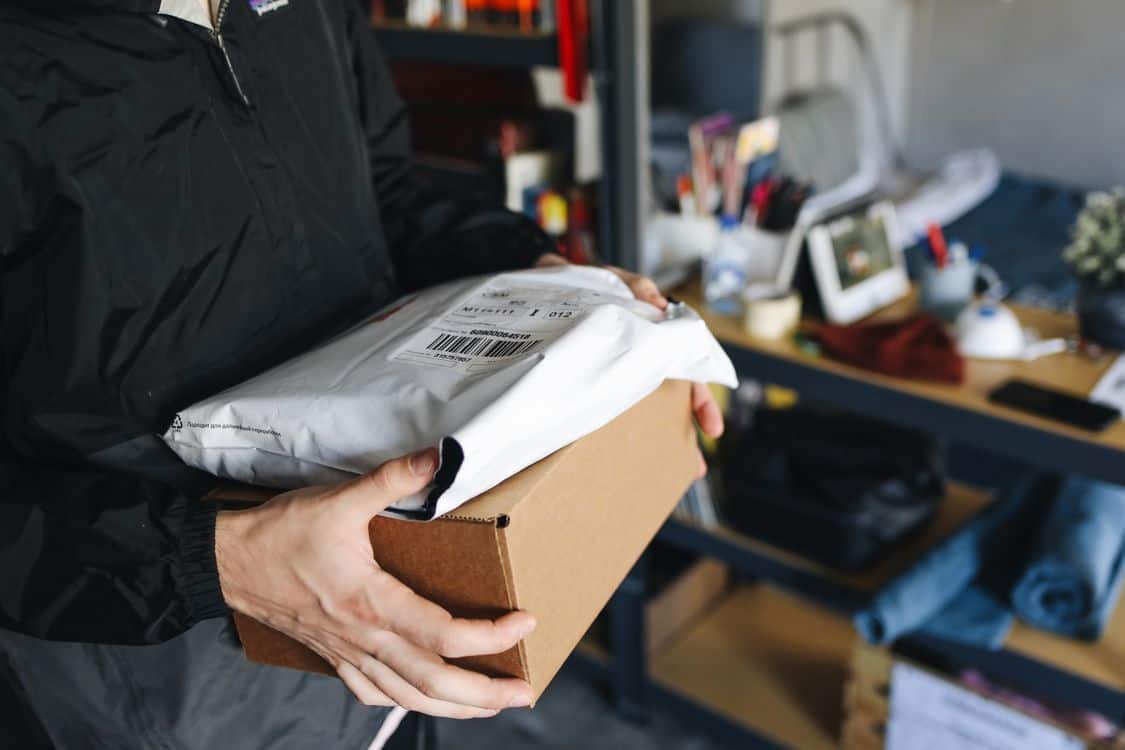
Australians spent $82.6 billion online in 2025, a 14% jump year on year, according to Australia Post’s latest eCommerce Report. Close to 9.8 million households now shop online, and the average shopper is buying from 16 different brands a year and making four more individual purchases than the year before.
The twist in the data is that average basket size has actually fallen to $96, meaning more parcels are moving through the system carrying less in each one. That has direct consequences for anyone shipping physical product, because more, smaller shipments means more individual boxes doing the branding work a single larger order used to do.
Smaller baskets mean more first impressions, not fewer
When a customer bought less often but in bulk, packaging was a once-a-quarter touchpoint. With four extra purchases per household per year and shrinking basket sizes, the box arriving on the doorstep is becoming a far more frequent brand interaction than it used to be for most retailers.
Businesses shipping direct to consumers are recognising that a plain shipping box no longer cuts it when the unboxing moment happens this often. Sellers using Star Stuff Group cartons Australia-wide are betting that the extra print cost pays for itself across a customer base now opening a branded parcel several more times a year than the report showed two years earlier.
That bet only pays off if the box itself is built to survive courier handling as well as it looks on a shelf. A carton that photographs well but crushes in transit undoes the branding effort before the customer even opens it.
The rise of marketplaces adds another packaging pressure point
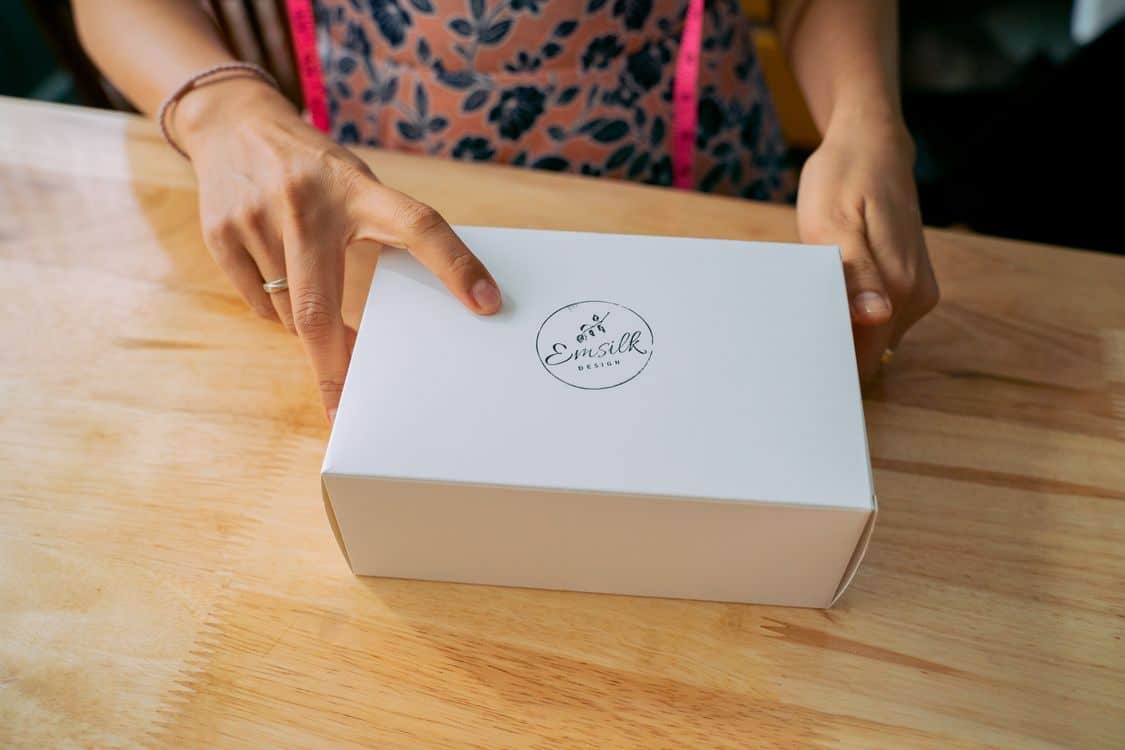
Pure online marketplaces accounted for $18.9 billion of the total spend, close to a quarter of all online expenditure. Selling through a marketplace rather than a direct storefront makes it harder for a brand to control the customer experience at every stage, which puts more weight on the one part a seller still controls completely: the box itself.
A generic carton arriving from a marketplace order tells the customer nothing about who they bought from. A printed one does the job a storefront normally would, at the exact moment the customer is forming their first impression of the seller.
That’s a harder problem for sellers who split volume across several marketplaces at once, since the packaging itself has to carry brand recognition consistently across every channel a customer might have ordered from, not just the one with the nicest storefront design.
Recommerce growth adds a second life to every carton
Nearly half of Australians now buy second-hand goods annually, and 73% say they’re interested in buying pre-loved or refurbished items directly from retailers, even though only 14% of businesses currently offer that option. As resale programs catch up to that demand, packaging built to survive a second shipping trip becomes more relevant than packaging designed for a single one-way delivery.
The report’s numbers point to a market where parcels move more often, in smaller batches, through more channels, and where the box itself carries more of the brand’s weight with every trip it makes.
Six in ten Australians are now using AI tools while shopping, the report also found, with younger buyers leaning on agent-led purchasing at a much higher rate than older demographics. As more of the buying decision gets automated or delegated to an assistant, the physical arrival of the parcel becomes one of the few remaining moments where a brand can still speak directly to the person who bought it.
That reality is pushing packaging further up the priority list for retailers rethinking their online strategy for the year ahead, rather than treating it as a line item to be minimised once the sale itself is locked in.