

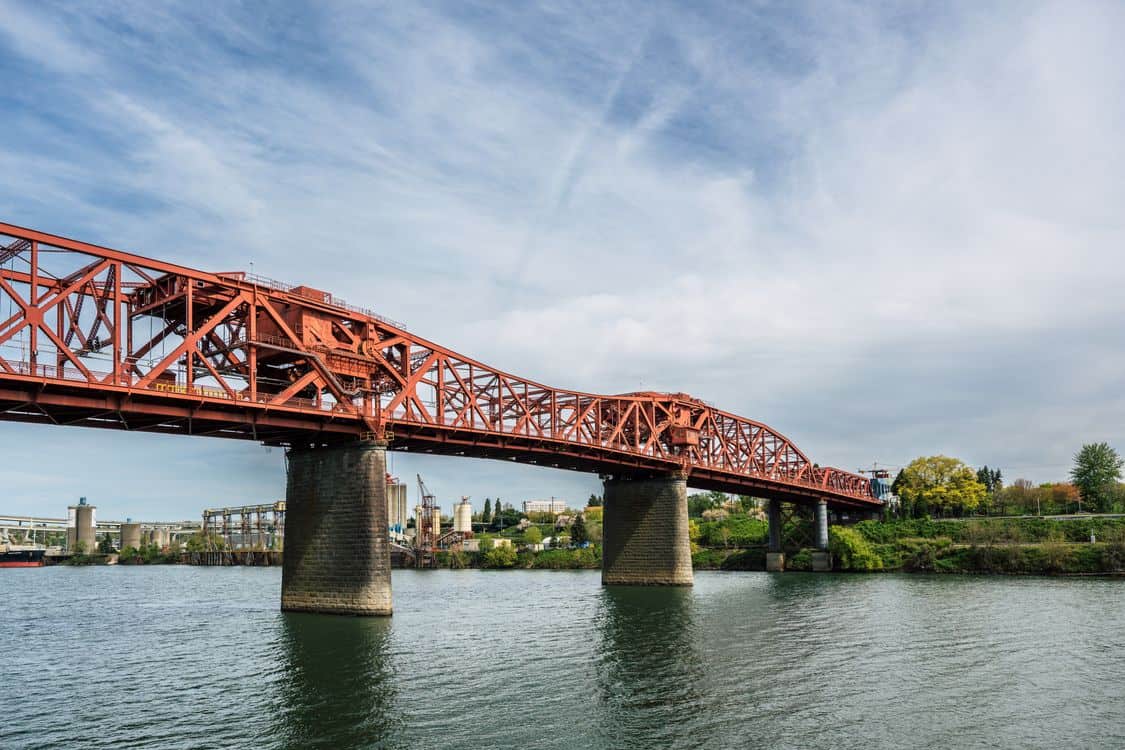
On a January morning in 2022, a bridge in Pittsburgh simply gave way. The Fern Hollow Bridge dropped into the park below, and the investigation that followed put a renewed spotlight on a material that has carried American highways for half a century.
The lesson that emerged was not that weathering steel is a bad bridge material. It was something more nuanced, and more important, about how the material has to be cared for.
A collapse that focused the industry’s attention
The failure was dramatic. According to the National Transportation Safety Board, the bridge fell approximately 100 feet into the park below, with vehicles on or near it at the time.
Investigators found severe corrosion and section loss on all four of the bridge’s legs. In places, the loss was so advanced that it had eaten holes clean through the steel.
The cause traced back to water. Debris and leaves had blocked the drainage, allowing water to pool against the steel in areas never meant to stay wet.
That standing water prevented the protective patina from forming and instead drove relentless corrosion. The very mechanism that makes weathering steel durable had been undermined by poor drainage and incomplete maintenance.
Why weathering steel still belongs on bridges
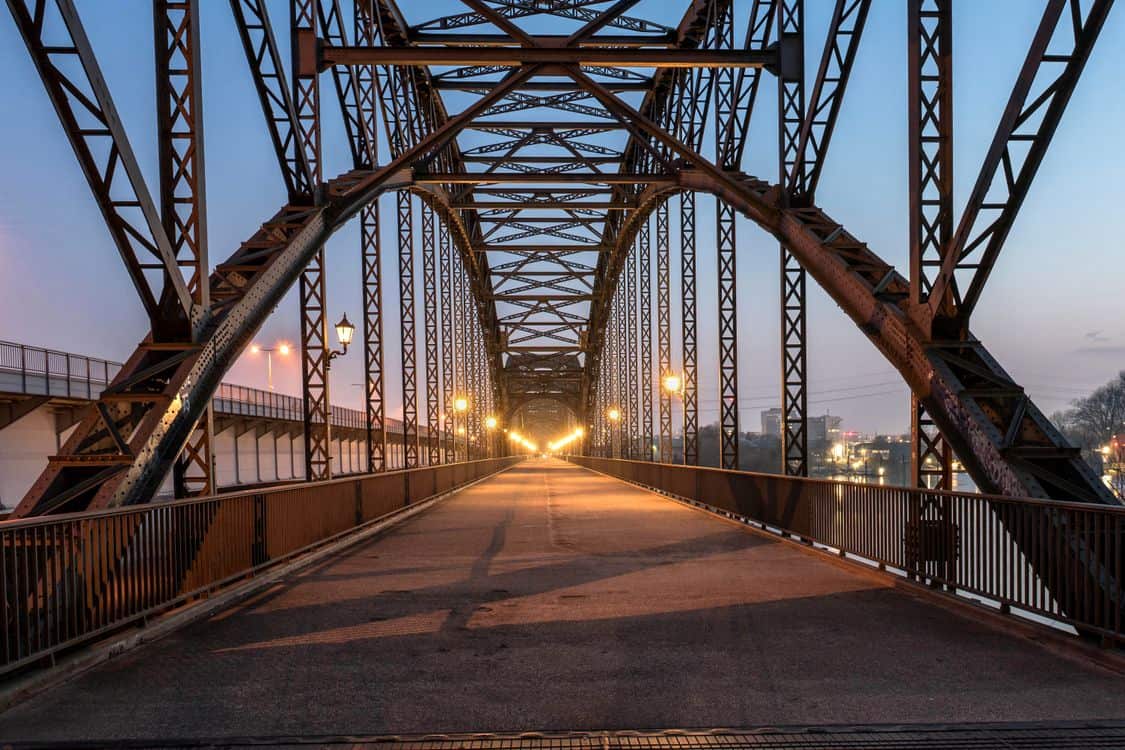
It would be easy to read that as an indictment of the material. The engineering community read it differently, and correctly.
Weathering steel earns its place on bridges because, detailed properly, it eliminates the need for paint. That removes the single largest long-term maintenance cost of a steel bridge, the endless cycle of blasting and repainting.
A structural weathering grade like ASTM A588 is specified across highway bridges precisely for that reason, offering the strength of a structural steel with a self-protecting surface that resists corrosion when it can dry out.
The key phrase is “when it can dry out.” The patina is a deal the material makes with its environment, and the environment has to hold up its end.
That means designing the bridge so water runs off and away, keeping drainage clear, and inspecting the details where debris collects. Get those right and uncoated weathering steel can outlast painted alternatives with a fraction of the upkeep.
The post-collapse guidance from federal authorities reinforced exactly this. The focus was on inspection, drainage, and follow-up maintenance, not on abandoning the material.
What it means for specifiers and suppliers
For bridge owners and the engineers who serve them, Fern Hollow is a reminder that material choice and maintenance are inseparable.
Specifying weathering steel is not a license to forget about the structure. It is a commitment to detailing and upkeep that lets the material’s self-protecting nature actually work.
With a large share of American bridges aging and a steady pipeline of replacement and rehabilitation work, the structural weathering grades remain a core part of the bridge engineer’s toolkit.
For suppliers, that means demand is durable, but it comes with a responsibility to support correct use, from grade selection to an understanding of where weathering steel thrives and where it does not.
The Fern Hollow collapse was a tragedy that prompted hard questions. The answer was not to walk away from weathering steel, but to respect the conditions it needs. Detailed and drained correctly, it remains one of the most cost-effective ways to build a bridge that lasts.