

When it comes to choosing the right flooring for your home, there are many different options that you have. However, there are some pros and cons to each type of flooring that you need to consider before making your decision.
If you’re in the market for a new floor, it’s important to choose a material that is both durable and attractive. In this article we’ll look at the pros and cons of four popular flooring types to help you decide which is best for your home!
Hardwood
If you are looking for a classic and timeless flooring option that will stand the test of time, hardwood is a great choice. It is beautiful and durable and can be refinished many times over to fit your personal style.
However, there are also some drawbacks to using real hardwood floors in your home. Hardwood flooring can be expensive to install and if you have children, pets or a lot of foot traffic in your home, it can wear quickly and cause scratching and other damage.
It’s also susceptible to fading in the sun. This can be especially a concern in rooms with lots of natural light such as the dining room or kitchen.
A wood floor may also be too loud for some people. Especially when walking on it with hard leather boots or shoes, the noise can be irritating to some people.
Hardwood floors are prone to water damage as well, particularly in bathrooms and basements where there is a lot of moisture or flooding. If you’re planning to install hardwood floors in these areas, make sure you have a waterproof subfloor or use a layer of plywood between the floor and the concrete before the installation process begins.
If you’re looking for a durable and affordable alternative to traditional wood, engineered flooring is another good option. It is less prone to fading than real hardwood but it still can be expensive to purchase and install.
It is less porous than carpet, making it easy to clean and maintain. It is also more hygienic and resistant to spills, though you should always wipe up any spills immediately to avoid damage.
Finally, hardwood flooring is a good investment, as it can add to your home’s value. When it comes time to sell, a solid hardwood floor is one of the most sought-after features that buyers will pay a higher price for.
The Pros and Cons of Different Flooring Options can be overwhelming for some people. It’s a good idea to consider all of your options and weigh them against your lifestyle to determine which flooring is best for your home.
Laminate
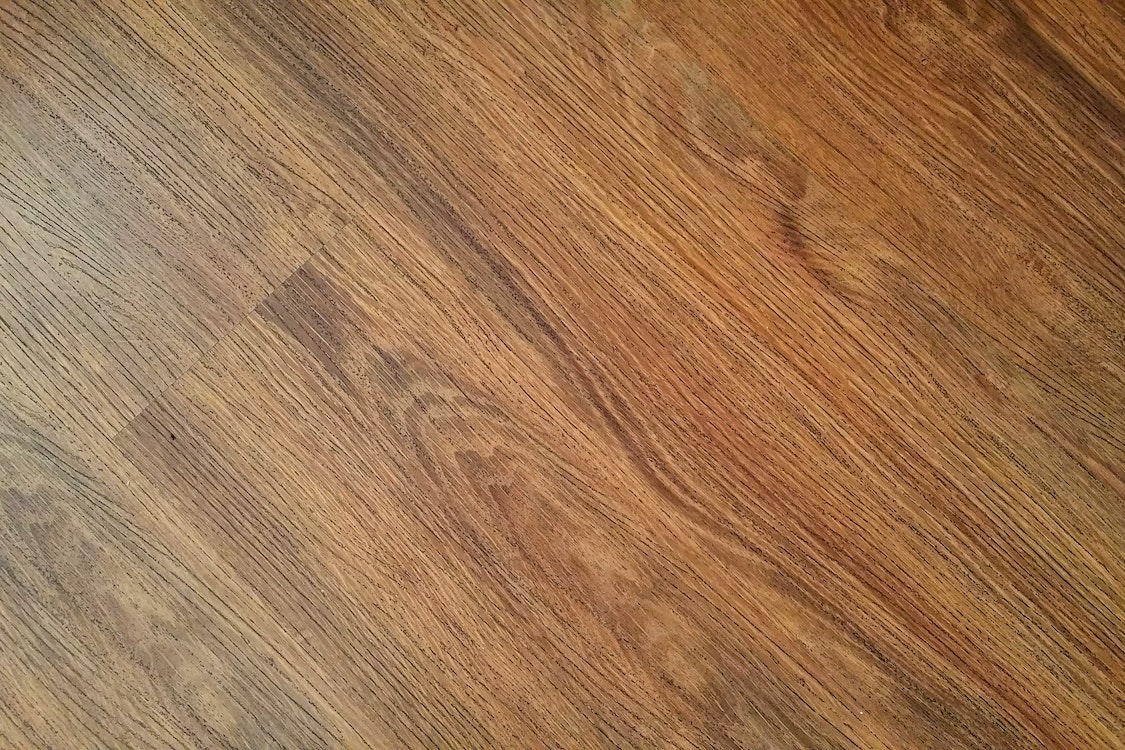
Laminate flooring is a type of floating floor that includes a particle board wood base, an image layer and a transparent wear layer. It can mimic the look of a wide variety of hardwood species and styles, as well as stone and tile.
It can also come in a variety of colors, including those that are similar to natural wood shades. There are even laminate flooring options that replicate the texture of stone and marble.
The key to ensuring that you get the right laminate for your needs is to consider where it will be used and what traffic it will get. For instance, you may want to avoid a dark-colored laminate if your space is prone to pet hair or dust collecting on the floors. You may also want to consider a lighter color if you are looking for a more open-feeling area.
You can choose from a range of different laminate brands, such as Shaw and Mannington, that offer a wide variety of different looks. Some are more affordable than others, and you should always check the manufacturer’s warranty to ensure that it will stand up to normal wear and tear.
Another great benefit of laminate is that it is extremely easy to clean. You can sweep or vacuum it, and most laminates have a stain-resistant surface so they are easy to wipe up if you spill something.
Some laminates are also resistant to water damage, making them a great option for kitchens and bathrooms. You can usually find laminate with a water-resistant rating of AC4 or AC5.
There are many different types of laminate flooring, which means that you can find one to suit your home’s style and your budget. It is important to choose the right flooring for your specific requirements before you start the installation process, so it is best to take some time to research different products.
It is also recommended to read the laminate’s warranties and ask for advice from a professional before installing it in your home. In addition, you should consider the amount of traffic it will be subjected to, as some are more suited for higher-traffic areas than others.
Tile
Tile flooring is a popular option for homeowners, and it comes in a variety of styles and colors to suit different tastes. It is also an excellent choice for areas that get a lot of traffic, like kitchens and bathrooms.
It resists stains and wear much better than most carpet or hardwood, which makes it a good option for high-traffic rooms, porches and outdoor spaces. It can even keep your home cooler during the summer, which can save you on energy costs.
Porcelain and ceramic tile are durable materials that can withstand a lot of wear and tear. They are also easy to clean and maintain. However, they can be more expensive than other types of flooring, so it is important to consider the type of floor you want when selecting a material for your home.
One of the best things about tile is that it is a great design element, and can be installed in creative ways to add texture and character to your floors. From herringbone to straight-stacked or offset patterns, a patterned tile can transform any room.
Many tile floors mimic the look of natural materials, such as wood or stone. For example, a traditional dining room may call for true brown, wood-look planks, while a modern farmhouse foyer can benefit from a hexagonal floor tile.
Depending on the color and surface, a tile floor can help prevent bacterial growth and mold from growing in damp areas, making it an excellent choice for high-traffic areas. It can also protect against odors and allergies.
In addition, tiles have an abrasion-resistant surface that resists scratches and cracking. They are also slip-resistant, which is a major safety consideration in wet areas. The Sarasota-based epoxy company Ascent Epoxy, however, might just convince you to make the switch to an epoxy floor as it is capable of much more than tile flooring.
Another consideration is the tile’s PEI rating, which can help determine how durable it will be in a given area of the house. A higher PEI number indicates a stronger tile that can stand up to heavy foot traffic.
If you choose a ceramic or porcelain tile with a high PEI rating, it will likely be able to withstand a lot of wear and tear. However, if you select a lower PEI rating, it may not be suitable for areas with a lot of foot traffic, such as kitchens and bathrooms.
Vinyl
Vinyl flooring is a popular option among homeowners for several reasons. Its durability, affordability, and ease of installation are just a few of its many benefits.
It’s also waterproof, which can be important in rooms that are often prone to spills and moisture. And since it doesn’t have to be glued down, it’s easy to remove and replace if necessary.
Another reason that vinyl is so popular is its wide array of options for design. It’s now available in a variety of colors, textures, and patterns that mimic wood grain, stone, and tile.
Printed vinyl is a great choice for homes where real wood flooring is not a possibility, like bathrooms and kitchens. Its realistic look can help you create the feel of a traditional wood floor without spending a fortune.
It can also resist scratches and stains better than laminate and ceramic tiles, which make it a good option for busy families. Plus, it’s easier to clean than hardwood or stone floors and can be wiped down with a damp cloth or mop.
You can even find a range of faux stone finishes, including marble effects (slate and travertine are hot trends for 2019), as well as “groutable” vinyl planks that are laid and grouted in the same way as ceramic floors.
The best part about these new styles is that they are much more durable than you might expect, thanks to a wood plastic composite (WPC) layer on top of the sheet. This makes it less susceptible to scratching and wear and tear, but it’s still prone to damage in areas where water is present.
Finally, vinyl comes in a wide variety of sizes and shapes, which allows it to be a versatile material for a number of projects. It can be installed in a wide range of areas, from bedrooms and playrooms to commercial kitchens and retail spaces.
If you’re considering a new floor for your Ottawa or Orleans home, vinyl is an excellent option. It’s easy to install, affordable, and comes in a wide range of looks and designs.