

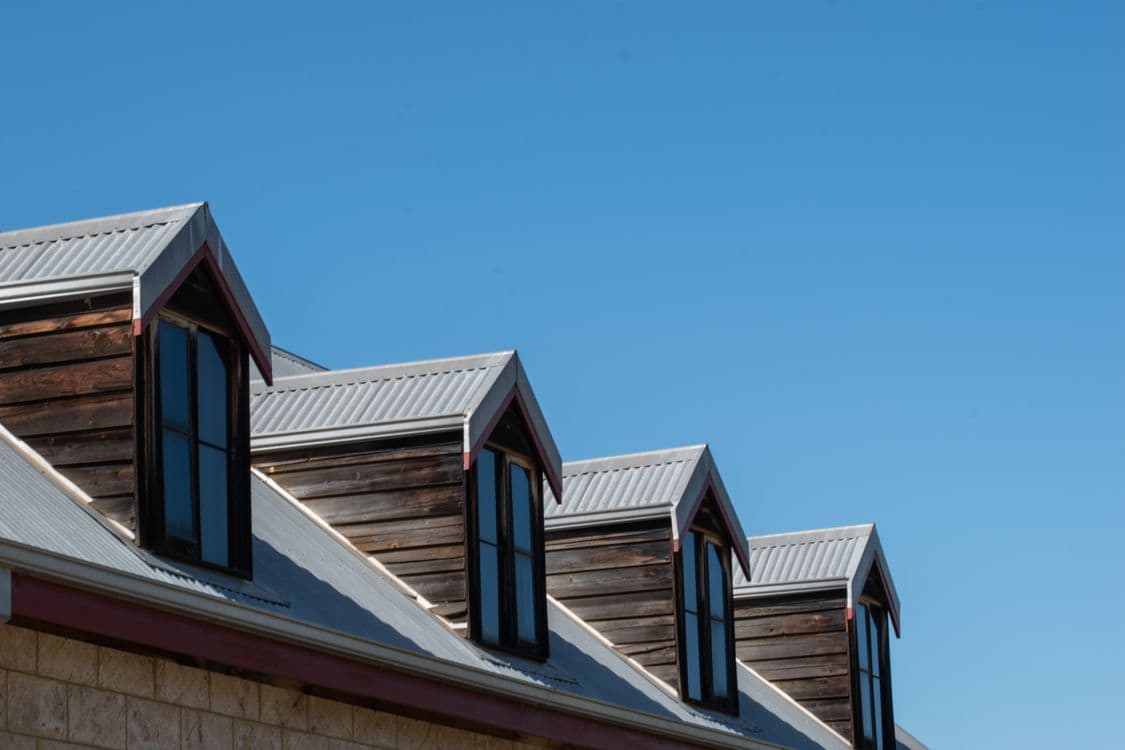
Central Texas is accustomed to hail-driven repair surges, and statewide claim data shows why contractor availability can tighten quickly after a major storm. When many households begin inspections and claims at once, scheduling becomes a regional capacity problem rather than a single-contractor problem.
That search is harder than it sounds. Texas hasn’t had one bad hail year. It’s had over a decade of them.
The National Insurance Crime Bureau recorded roughly 902 major hail events with significant damage in Texas in 2025, more than double the total logged by Illinois, the next-highest state. State Farm, the largest home insurer in Texas, processed 95,200 hail claims that year, with an average payout near $15,000 per claim. That volume, compounding year after year, is a large part of why Austin homeowners now wait weeks rather than days for a qualified crew.
Material availability can become a second bottleneck after a widespread storm. Even when a crew has an opening, a job may still wait on a specific shingle line, color, underlayment, flashing component, or other material needed to match the approved scope.
That secondary bottleneck compounds the labor shortage instead of replacing it. A contractor with an open crew slot can still be stalled if the shingle color or product line a homeowner’s insurance claim specifies is temporarily out of stock.
Why Manufacturer Certification Can Narrow the Available Contractor Pool
Not every roofing contractor carries manufacturer certification, and that distinction matters more after a hail season than most homeowners realize. Certified installers complete product-specific training, follow documented installation standards, and are eligible to offer extended warranty coverage that non-certified crews can’t provide.
Certification matters most when a homeowner wants access to manufacturer-backed warranty options that depend on an approved installer. That does not mean an insurer or lender universally requires a certified contractor; it means certification can affect which warranty packages are available after the work is complete.
That distinction can narrow the practical contractor pool for homeowners who want a particular manufacturer’s enhanced warranty. The fastest available crew and a manufacturer-certified installer are not always the same contractor. For homeowners dealing with that post-storm bottleneck, an established roofing contractor in Austin is still worth checking for manufacturer credentials and warranty eligibility before signing.
Certification also does not guarantee immediate availability. A manufacturer network can help homeowners identify contractors who meet that program’s requirements, but those contractors still face the same labor, weather, and material constraints as the rest of the market.
Homeowners rarely hear this explained up front, which is part of why so many are surprised at how long a seemingly simple repair takes to schedule after a major hailstorm.
The Claims Math That Is Driving Homeowner Behavior This Year
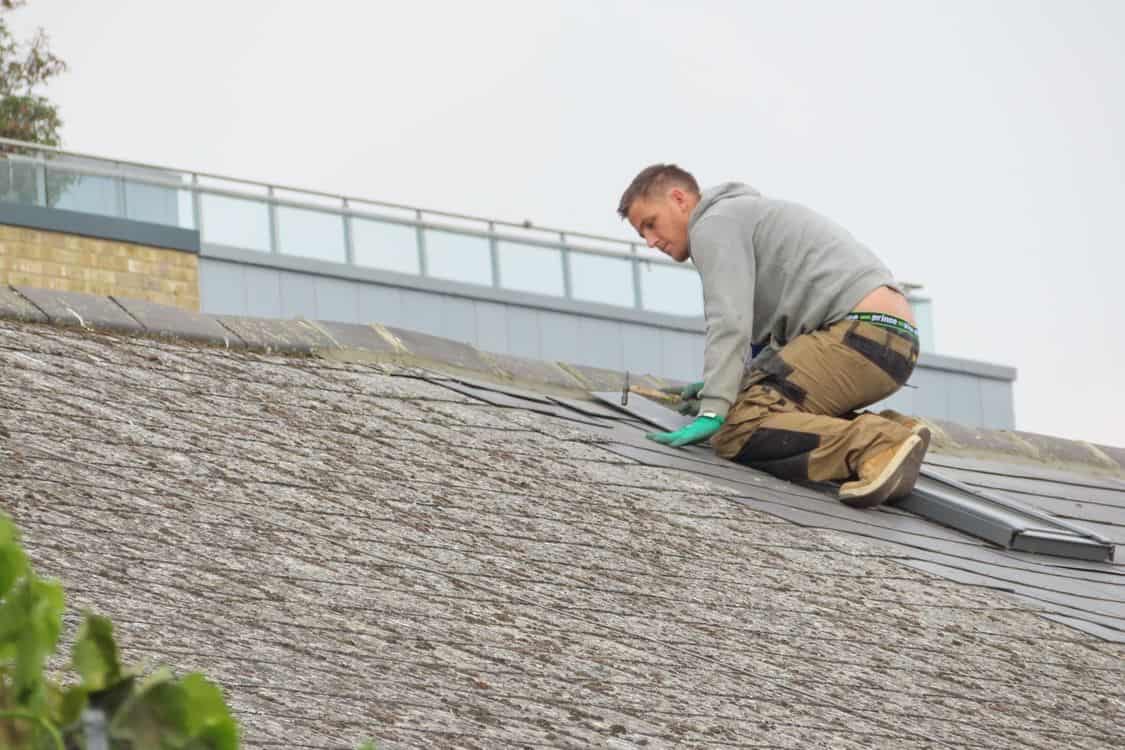
Average payouts near $15,000 sound generous until they’re measured against 2026 material and labor costs, which have climbed steadily due to tariff pressure on steel, aluminum, and imported components. Many homeowners are discovering a full tear-off and replacement now costs more than their claim check covers.
When replacement costs are high, homeowners have more reason to compare warranty terms, contractor credentials, and the written scope of work rather than accepting the first available bid.
If damaged shingles, flashing, or decking remain exposed to additional rain, a limited repair can grow into a larger water-intrusion problem. That risk is enough to make temporary protection and timely repair important.
A delay can also make the damage history harder to untangle. The longer a roof remains exposed to additional weather, the harder it may be to separate the original storm damage from problems that developed afterward.
That makes documentation important. Dated photos, inspection reports, estimates, and repair records create a clearer timeline if the scope of work changes later.
Homeowners do not need a complicated system: a folder with dated photographs, the claim paperwork, and contractor inspection notes is usually more useful than trying to reconstruct the sequence months later.
What the Repair Backlog Signals About Austin’s Broader Housing Stock
Austin’s rapid growth over the past decade means a large share of the metro’s housing stock was built or re-roofed within a similar window, using similar shingle products from a handful of major manufacturers. That clustering means storm damage tends to hit entire neighborhoods with roofs of comparable age at roughly the same time.
When one storm system damages thousands of roofs installed in the same five-year period, the repair timeline stops being about any single contractor’s capacity. It becomes a regional supply-and-demand problem across the entire certified installer network.
Texas has topped national hail-damage rankings consistently enough that this pattern will likely persist through the rest of 2026’s storm season and into next year’s. For homeowners, that means treating roof inspections and contractor vetting as an early-season task, not something to handle only after damage appears.
That makes contractor vetting especially important after a storm surge. Homeowners comparing bids can check manufacturer credentials, insurance, local business history, and warranty eligibility before signing.
The larger point is that hail-related backlogs can recur whenever demand spikes across the region. A contractor directory or certification network is useful because it gives homeowners another screening tool; it does not remove the underlying capacity constraint.
The fastest available contractor and the most qualified one aren’t always the same option this year. The backlog itself is evidence that a lot of households are learning that distinction the hard way.