

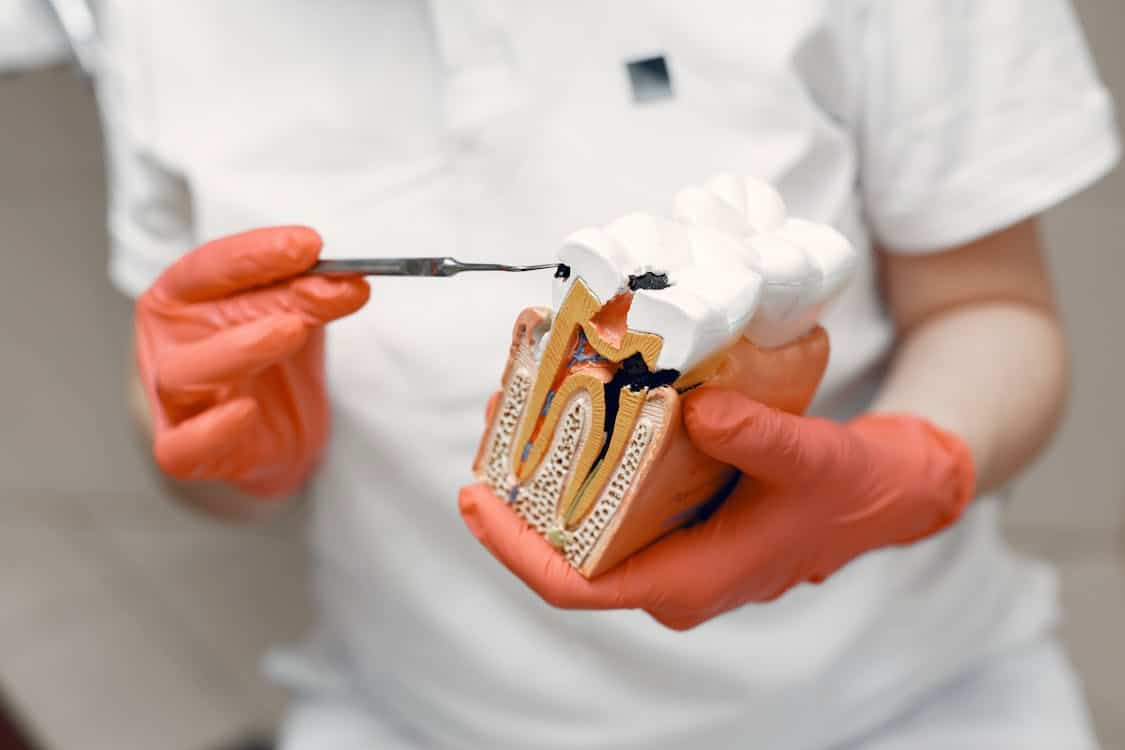
When people picture a hospital admission, dental problems are not usually what comes to mind. Yet across New South Wales, untreated teeth are sending people to hospital in numbers that have quietly made dental conditions the single largest cause of preventable admissions.
A recent analysis put a price on it, and the figure is hard to ignore.
What the NCOSS Report Found
The NSW Council of Social Service, working with Mandala Partners, examined the scale of dental-related hospitalisations across the state. Their October 2025 report found these admissions cost the NSW health system about $147 million a year.
There were roughly 24,300 such hospitalisations in 2022, and on current trends the annual cost is projected to climb toward $212 million by 2033, an increase of around 44 per cent. Dental conditions, the report concluded, are now the leading cause of potentially preventable hospitalisations in the state.
The overwhelming majority of these admissions trace back to one thing: complications from untreated tooth decay and cavities. Problems that started small, went unaddressed, and eventually became serious enough to require a hospital.
Children carry a striking share of the burden. The report estimated around $80 million in annual costs for children aged 0 to 14 alone, with tooth decay the leading reason young kids end up in hospital for dental reasons.
Why “Preventable” Is the Key Word
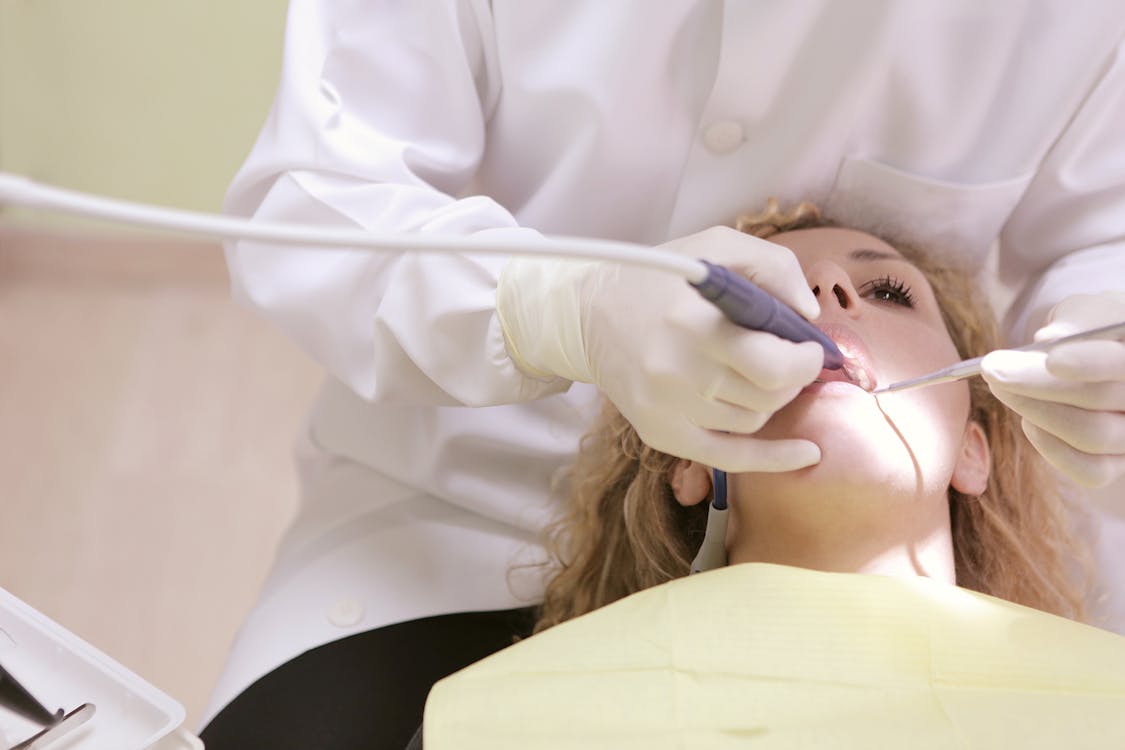
The label matters. These are not freak accidents or unavoidable disease. They are, by definition, hospitalisations that earlier and more accessible dental care could have headed off.
A cavity treated at a routine visit never becomes the abscess that lands someone in an emergency department. A child seen regularly is far less likely to need multiple teeth treated under general anaesthetic. The hospital admission sits at the end of a long road of missed opportunities for cheaper, simpler care.
That is the real argument for regular check-ups. They are not just about the individual tooth in front of the dentist; they are the mechanism that stops a minor issue from ever reaching the acute, expensive stage.
For families, the takeaway is practical rather than alarming. Establishing a relationship with a regular dentist and keeping up routine visits is the most reliable way to stay off the wrong end of these statistics. It is also why public health advocates keep urging people to choose your local dentist and attend consistently rather than only in a crisis.
What Actually Moves the Needle
The NCOSS report did not just diagnose the problem; it pointed to solutions, and they are revealing. Among the priorities were expanding dental programs in primary schools and remote communities, and lifting uptake of existing support like the Child Dental Benefits Schedule.
Notice the theme. Almost every recommendation is about getting people to a dentist earlier and more easily, because early access is what prevents the costly downstream admission.
For an individual, the lesson scales down neatly. The single most effective thing most people can do is remove the friction around routine care, making the regular check-up a normal habit rather than something that only happens when something hurts.
Tooth decay becoming a leading cause of hospital admissions is a striking failure of timing, not of medicine. The treatments are well understood and inexpensive when applied early. The cost only balloons when care is delayed until the problem can no longer be ignored.