


Walk into a medical spa in London, Ontario, and you’ll likely see laser tattoo removal advertised alongside facials and body wraps. Walk into a dermatology or plastic surgery practice, and you’ll see the same service, often using identical equipment, but with vastly different pricing, protocols, and outcome expectations. The growing divide between medical-grade tattoo removal and spa-setting treatments is creating confusion for consumers and raising questions about safety standards in an industry with minimal regulatory oversight.
The equipment at both types of facilities often comes from the same manufacturers — Q-switched and picosecond lasers that fragment ink particles so the body can eliminate them. But the similarity ends there. Medical clinics operate under physician supervision with protocols designed for complete ink clearance over multiple sessions, while spas frequently focus on fading tattoos enough to cover them with new work rather than pursuing full removal. Those different goals produce different treatment approaches and vastly different results.
Patient selection is another critical difference. Medical practitioners screen for contraindications — skin conditions, medications, immune disorders — that could complicate treatment or produce poor outcomes. Spa settings often operate with minimal medical oversight, performing treatments on clients who may not be suitable candidates. The consequences of that gap range from suboptimal results to actual complications like scarring, hyperpigmentation, or infections that require medical intervention.
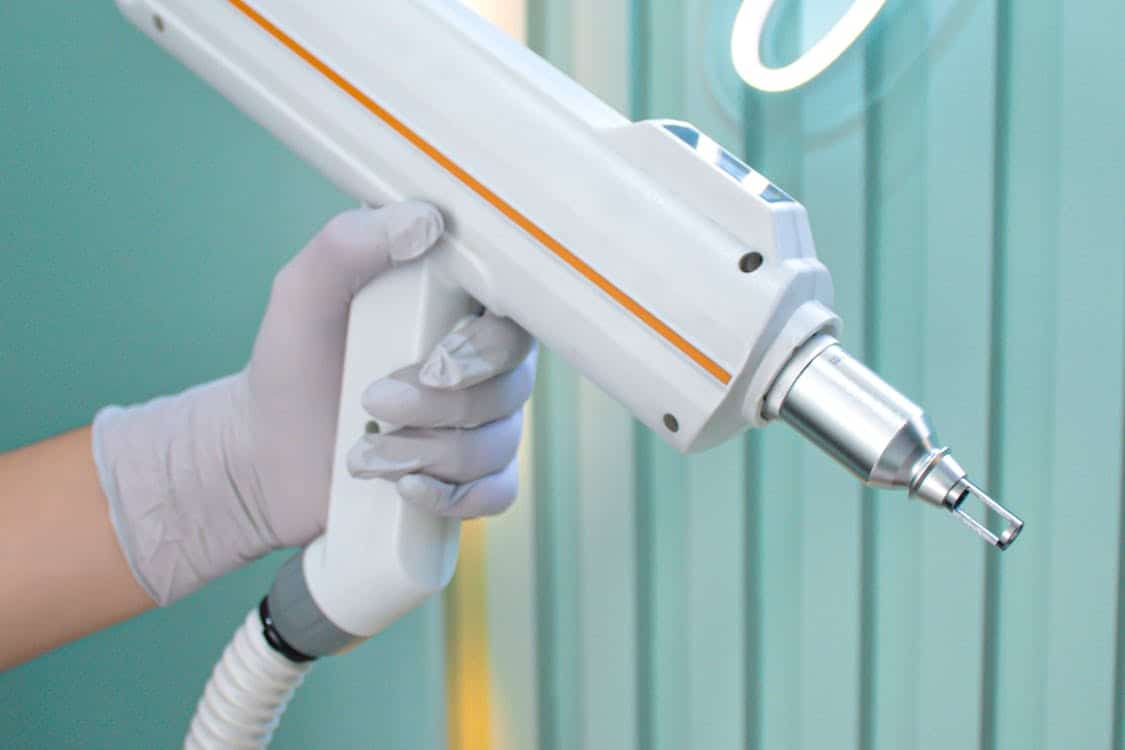
For consumers seeking laser tattoo removal London Ontario, understanding this distinction is critical for making informed choices. The lower pricing at spas can look attractive, but incomplete removal that requires additional sessions at a medical facility to finish the job often costs more total than starting with medical-grade treatment from the beginning. The cheaper initial price becomes expensive when measured against final outcomes.
Training standards vary dramatically between settings as well. Medical laser operators in physician-supervised practices typically complete extensive certification programs covering skin anatomy, laser physics, safety protocols, and complication management. Spa technicians may receive minimal training — sometimes just manufacturer certification courses lasting days rather than weeks. That knowledge gap affects treatment quality, complication rates, and the ability to adjust parameters for different skin types and ink colors.
According to regulatory analysis from BC Medical Aesthetic, injectable treatments are restricted to licensed medical professionals in Canada, but laser procedures fall into a regulatory gray area where provincial oversight varies significantly. Ontario allows non-physicians to perform laser tattoo removal, which has enabled the spa market to flourish but also created safety concerns that medical organizations have flagged repeatedly.
The number of treatment sessions required illustrates the outcome difference starkly. Professional ink tattoos typically need 8-12 sessions for complete removal at medical facilities using optimal protocols. Spa settings often quote 4-6 sessions, which sounds better to consumers but rarely achieves comparable clearance. The gap between promised and actual results generates frustration and poor reviews that affect the industry’s overall reputation.
Pricing transparency is another area where medical and spa settings diverge. Medical clinics typically charge per pulse or per square centimeter, with costs clearly tied to the amount of work required. Spas often use package pricing that looks attractive initially but may not include enough sessions to achieve meaningful results, leading to upselling pressure for additional treatments that weren’t disclosed upfront. The lack of standardized pricing makes comparison shopping difficult for consumers.
Complication management represents perhaps the most significant difference between medical and spa settings. When side effects occur — blistering, infection, allergic reactions — medical clinics have physicians on-site or immediately available to address problems. Spas typically refer complications to external medical providers, creating delays and fragmented care that can worsen outcomes. For patients, that difference in backup support can matter enormously when things don’t go as planned.
The aesthetic medicine industry’s rapid growth in 2026 is bringing increased scrutiny to these quality gaps. Professional organizations are pushing for stronger licensing requirements and physician oversight mandates, but regulatory changes move slowly. In the meantime, consumers bear the burden of distinguishing between equivalent-looking services that deliver very different results. Education about these differences is improving, but it hasn’t reached most people who are just beginning to research tattoo removal options.
Looking ahead, the market is likely to continue fragmenting between medical-grade services and spa offerings unless regulatory changes force consolidation. For consumers, the practical takeaway is straightforward: laser tattoo removal is a medical procedure that benefits from medical expertise, regardless of where it’s being marketed. Choosing based on price alone without understanding the quality differences is a recipe for disappointment and potentially unsafe outcomes. The few hundred dollars saved at a spa rarely justifies the risks and inferior results compared to treatment at a physician-supervised facility.