

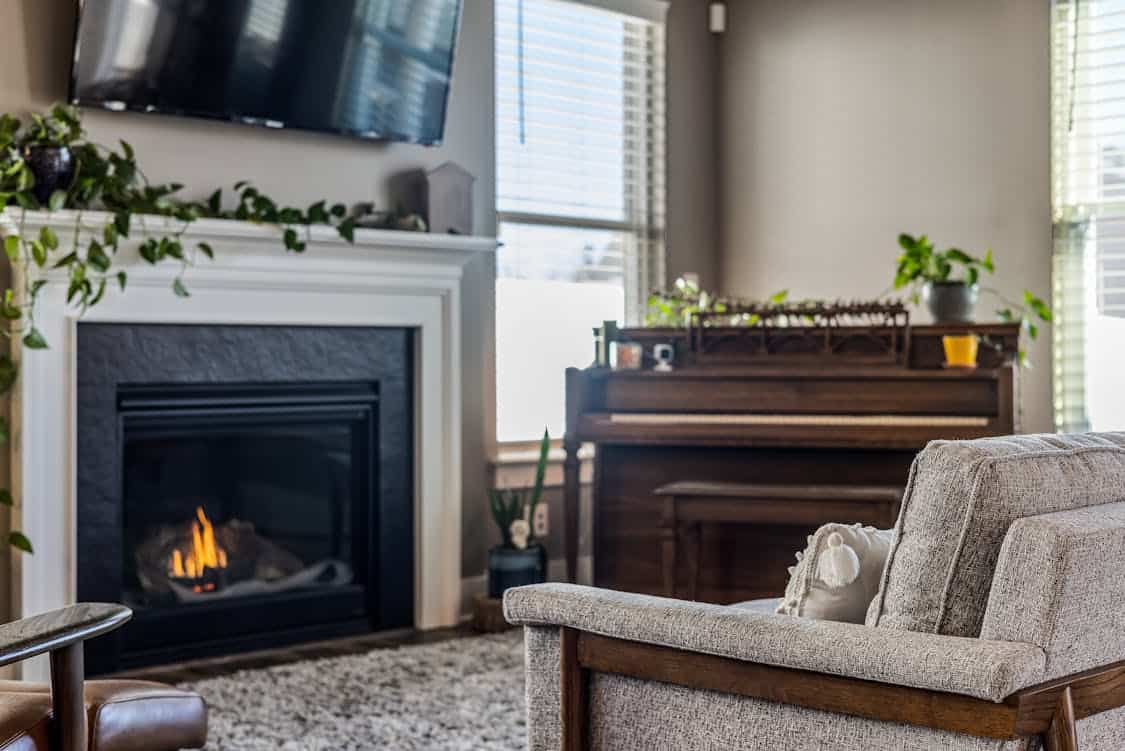
A constant clicking sound from a gas fireplace can rattle your nerves and spoil a quiet evening by the fire. The noise often signals something in the ignition or control system trying and failing to do its job, or reacting to small changes in temperature or pressure.
Pinpointing the cause calls for a mix of simple observation and careful checks, and in many cases a quick fix will stop the racket. Below are clear explanations of likely reasons and what you can do about them.
Common Causes Of Persistent Clicking
A number of routine factors explain why a fireplace keeps clicking long after the flames have come on. Dirt, dust and debris can build up in tiny places and trigger repeated ignition attempts by a spark or piezo system.
Electrical components and wiring can develop loose contacts that create intermittent sparks that sound like a steady tick. Thermal shifts in metal parts can also make a repeating noise while the unit cools or warms.
Ignition System Issues
The ignition system is the first place to look when clicks will not quit and the pilot will not stay lit. Electronic igniters rely on a continuous spark that can become erratic if a sensor or electrode is misaligned or worn out.
A weak spark will force the system to try again and again while making a soft or sharp clicking tone at regular intervals. Repositioning a probe or replacing a faulty igniter often calms the noise and restores reliable startup.
Thermocouple And Pilot Problems
A thermocouple or thermopile that senses pilot flame strength can trigger repeated clicks when it does not detect enough heat. With a weak pilot the control module will repeatedly attempt to reestablish ignition, creating a cycle that sounds like tapping.
These parts can be dirty, bent out of position or simply worn and underperforming after many seasons of service. Cleaning the pilot area and making small adjustments sometimes fixes the cycle, and replacement will fix it when wear is the culprit.
Dirty Or Corroded Components
Grime and corrosion turn otherwise quiet components into noisy troublemakers in short order. Soot and dust can coat electrodes and sensors, reducing their ability to sense flame or conduct sparks and forcing the system into repeated attempts.
Corrosion on metal contacts can cause intermittent connections that produce a clicking noise as contacts make and break contact. Regular cleaning and inspection keeps these small issues from becoming persistent annoyances.
Electrical Interference And Wiring Problems
Wiring faults will imitate mechanical clicking at times and can be tricky to spot for the untrained eye. Frayed insulation, loose terminals and worn wiring can create rapid on off cycles that the ear interprets as clicks.
Interference from nearby appliances or a weak transformer supplying the control module can upset timing and spark attempts. Tightening connections and isolating the circuit often restores calm and steady operation.
Gas Pressure And Flow Irregularities
Irregularities in gas supply or pressure can churn out a range of sounds including a clicking or ticking series. If the gas valve opens and closes to compensate for pressure swings the result is audible and repetitive movement. For a reliable fix, many homeowners turn to professional gas fireplace repair services in St Louis to inspect pressure, flow, and safety systems.
Partial blockages in the line or a regulator that is not holding steady will cause the system to work harder and sound off. A professional check of pressure and flow is the safest way to rule out a supply issue.
Faulty Control Module Or Valve
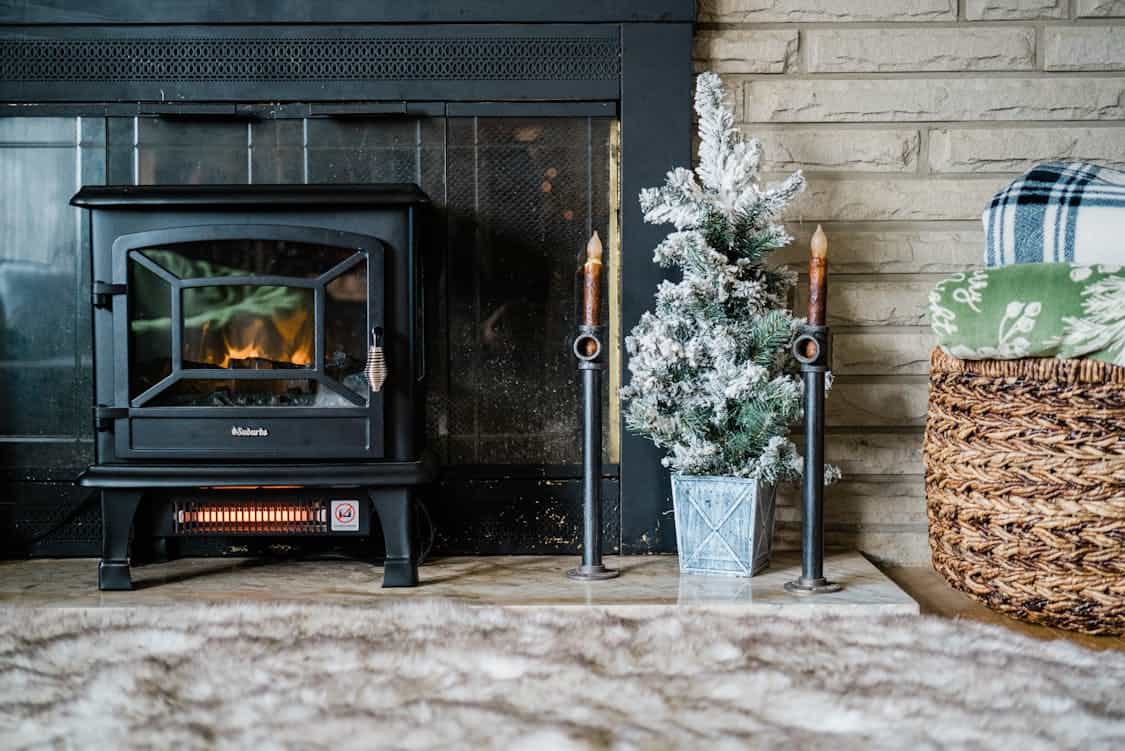
Modern fireplaces depend on a control module to orchestrate ignition, flame height and safety checks, and a failing module can be noisy in more ways than one. When a control board is glitchy it may repeatedly send start signals or open and close valves in short bursts that produce clicking sounds.
Electronic faults can be intermittent and tricky to replicate without time and patience. Swapping a suspect board for a known good unit often proves whether this is the root cause.
Temperature Related Expansions
Metals expand and contract when they warm up or cool down and that simple principle explains a surprising number of clicking observations. Panels, fasteners and mounting strips shift by tiny amounts and create a tick that repeats until the whole assembly reaches a uniform temperature.
The pattern often corresponds with startup or the moment the room heats up and will taper off gradually. Tightening loose parts and allowing the unit to warm in a controlled way can quiet the issue.
Safety Mechanisms And Sensors
Safety components are built to interrupt operation when something is out of range and their interventions can take the form of rapid clicks. Pressure switches, limit switches and flame sensors can open and close repeatedly if they are borderline or dirty.
Each interruption prompts another attempt at ignition that keeps the cycle going and the clicking audible. Cleaning sensors and verifying their alignment often stops the ping pong of signals.
Age And Wear Of Components
Time does not treat small mechanical and electrical parts kindly and a bit of wear will turn steady systems into noisy ones. Bearings, fasteners and electrical contacts degrade over many cycles and begin to behave unpredictably, producing clicking noises that were not present when the unit was new.
Older fireplaces often need a collection of small replacements to restore the hush and surety of operation. Taking a measured inventory of worn parts points the way to a sensible repair plan.
Simple Maintenance Steps Homeowners Can Try
A few conservative checks will resolve many clicking problems without drama or expense and will not demand advanced skills. Turn off the gas and power and then gently clean the pilot assembly, electrodes and visible contacts using a soft brush and compressed air to remove dust and soot.
Check for loose screws, panels and wire ends and snug them with a hand tool while avoiding overtightening fragile parts. If the sound persists after these steps the issue likely needs a deeper look by a trained technician.
When To Call A Professional Technician
When clicking continues despite basic cleaning and tightening it is safer to request professional help than to press on with trial and error. Technicians bring testing tools, replacement parts and experience to sort out control modules, gas pressure irregularities and hidden wiring faults without risking safety.
Professional service protects warranties and ensures that safety mechanisms are respected while repairs proceed. Schedule a visit when you cannot confidently identify or fix the source of the sound.