

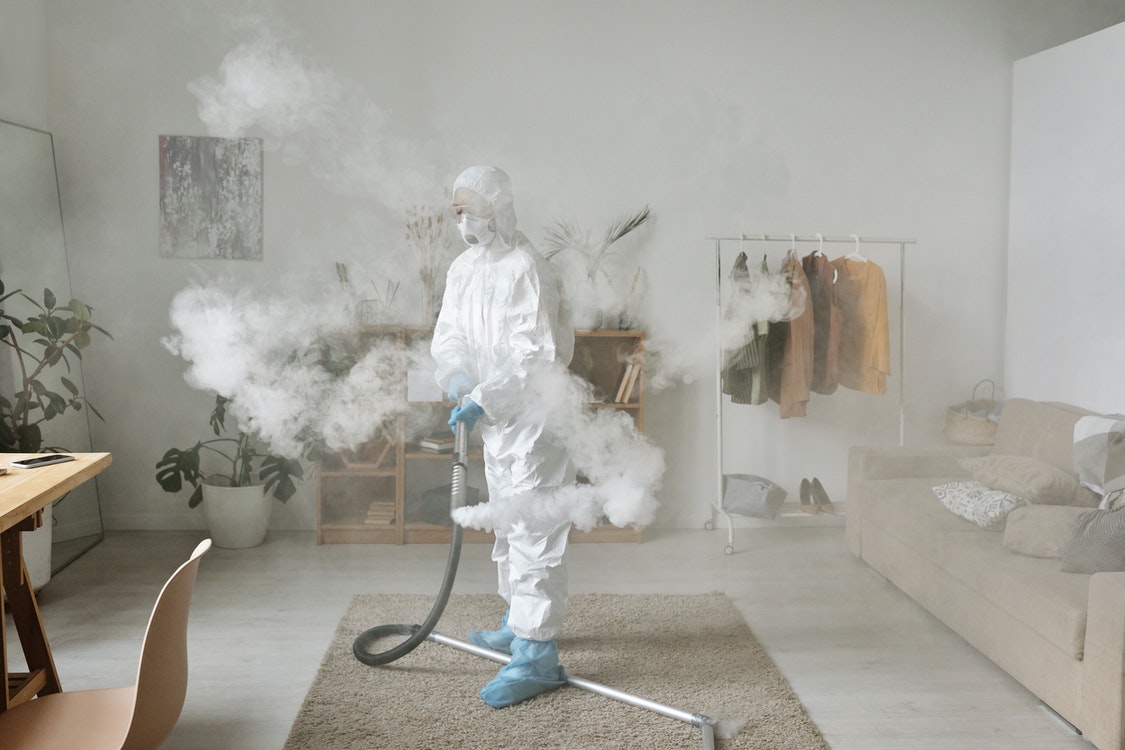
Learning about the habits and needs of a pest is crucial to controlling it. Depending on the type of pest, it could be dangerous for people, buildings, or animals. Knowing what the pest does to humans will help you determine whether action is necessary or not. In addition, you can also use pest control products to protect your home or business from future infestations. But what do you need to know about pest control before you take action?
Natural Methods
While you can use chemical pesticides in a limited amount of areas, it is best to choose natural methods whenever possible. Chemical pesticides are extremely harmful to our environment, and natural methods can prevent them and improve human health. These methods use natural chemicals and compounds to control pests. These agents are called microbes, and they are small living things that have been mass-produced for use as plant protection products. They can be extracted from plants and animals or synthesized and reintroduced into the environment.
Among the many natural ingredients that can be used in natural Enfield pest control, the neem tree is one of the most useful. Its antifungal, antibacterial, and antiviral properties make it a valuable plant in homeopathic remedies. The leaves and tender shoots of the tree are consumed in traditional Indian dishes, while the flowers are used in a variety of crafts. In South Africa, a vineyard uses a flock of ducks to weed wack the weeds and other small insects that feed on its crops. Ducks also fertilize the crops as they go, so they are a natural pest control solution.
Another effective natural pest control method is cultural pest control. These methods involve various techniques and methodologies. Cultural methods of pest control include land preparation, weeding, and seed treatment. In addition to being eco-friendly and effective, cultural pest control methods are also effective and do not cause any harmful effects on human health or the environment. This type of control is also a viable option for business owners, homeowners, and gardeners who prefer to grow organically.
Aside from natural insecticides, homemade natural pest control methods are also a good option. Using natural ingredients like canola oil and chemical-free liquid soap can also be an inexpensive and easy way to eliminate pests. Unlike chemical-based products, these methods don’t involve any harmful side effects and can be used on a regular basis. For soft-bodied insects, oils such as canola oil or vegetable oil can be used to smother them.
Biological and cultural pest control involves the use of predators and natural enemies of the pests in a plant’s ecosystem. These methods can reduce pest populations and pollution, and are particularly popular in organic farming. They also reduce environmental pollution. There are many benefits to biological and cultural pest control, so consider them if they are right for you. You won’t regret the decision to choose these methods when considering a pest control program.
Essential oils are used in many ways for cleaning and even for preventing pests in outdoor spaces. Essential oils such as eucalyptus oil, tea tree oil, and basil oil can help you protect your home and outdoor areas from pests. However, be careful about the amount you apply, as it could accidentally contaminate the water supply and soil. And as with any chemical pesticide, it’s best to use it sparingly to avoid any adverse effects.
Biological Methods

Biological methods of pest control have been used to manage a variety of insects for centuries. One example is the use of Himalayan balsam, an invasive species that spreads along freshwater streams, wiping out natural ecological diversity. Other methods of biological control include the use of spiders and other insects as natural enemies of insect pests. These natural enemies also serve as predators for the prey, and some of these animals eat their hosts. In addition to using natural enemies, biological methods of pest control are a great choice for situations when chemical pesticides are not appropriate.
Biological methods of pest control use natural agents, such as bacteria, fungi, and viruses, to reduce the population of undesirable species. The natural enemy of these organisms is the pest that the pests are trying to control, and these agents are used in the absence of chemical pesticides. They are not as effective, however, as chemical pesticides, and they can be costly to use. But there are still many benefits to using these methods of pest control.
Agricultural biocontrol is the process of releasing natural enemies to kill pests. Trichogramma wasps, for example, are augmented natural enemies that attack insect eggs. They are produced in large numbers and released at a precise time. Biological pest control is also known as “inoculation” or “inundation” release. Several companies have begun producing natural enemies on a mass scale and disseminating them to growers and greenhouse operators.
Biological pest control is a more environmentally friendly method of controlling pests. It doesn’t require chemicals, and its effectiveness is long-term. It’s also a natural way of eliminating pests and is often combined with other methods of pest control. Biological pest control also has many benefits for human health and can be a cost-effective alternative to chemical pesticides. There are many benefits of biological methods of pest control, and some of them are discussed below.
Biological methods of pest control use predatory mites to control harmful organisms, such as plant-eating mites and mushroom flies. This method is especially beneficial for crops with high economic value. As long as the pests are properly identified, biological methods of pest control can be an excellent alternative to chemical pesticides. However, biological methods of pest control must be used carefully and in an environmentally responsible manner.
Biological methods of pest control reduce the use of chemical pesticides, and they reduce the risk of pesticide resistance. Additionally, they are effective for managing pest populations that exhibit disease or damage. If you are considering a biological approach, it’s important to understand which species are suitable for the area you’re working in. There are hundreds of products on the market for different types of plants and animals, and the most effective one for a specific pest can be used for the situation.
Integrated Pest Management
Integrated pest management is the use of multiple practices to manage different pests in a way that prevents damage and minimizes costs. The goal of integrated pest management is to suppress pest populations at levels below their economic injury thresholds. For example, integrated pest management may use a combination of chemical and biological methods to control various types of insects. Combined techniques can also reduce the risks of certain diseases caused by pests. Ultimately, integrated pest management can improve the efficiency of your existing pest control efforts.
Integrated pest management is an approach to pest control that incorporates environmental and cultural controls as well as the use of pesticides and other chemicals. It focuses on minimizing pest damage while meeting agency goals. The term “pest” is used to describe an insect, pathogen, weed, or another similar organism that can damage crops, trees, and even humans. Often, it involves the use of a combination of these practices to ensure that pests are managed effectively in a variety of environments.
The Federal Integrated Pest Management Coordinating Committee (FIPMC) coordinates federal efforts related to pest control. Its members are federal agencies and organizations from the private and public sectors. The FIPMC works closely with other federal committees focused on pest management issues, including the Technical Advisory Group for Biological Control Agents of Weeds. The FIPMC coordinates the development of pest management policies and practices across federal agencies.
Integrated pest management is a common-sense approach to pest control that focuses on the biology of the pest and their relationships with the environment. Its methods can minimize or eliminate the risk of pesticides while improving the health and welfare of humans and other organisms. Besides minimizing the risk to humans, the approach also promotes environmentally friendly bio-based pest management alternatives. In addition, the practices minimize the impact of pesticides on non-target species.
Despite the controversies surrounding pesticides, many farmers and landowners have embraced the IPM method for controlling pests. In fact, a large number of people support the framework because it provides multiple opportunities to reduce or eliminate the use of pesticides. And because the Integrated Pest Management framework is based on a functional definition, the goal is to reduce or eliminate the need for pesticides while ensuring that your plants and the environment are free of pests.
In order to apply Integrated Pest Management for pest control, growers must keep records and regularly monitor the condition of their property. Monitoring involves the use of insect traps and spore trays, and record-keeping is vital. For instance, insects have cold-blooded development cycles that have been modeled in degree days. Likewise, plant pathogens have similar patterns. Monitoring and recording pest populations can prevent unnecessary treatments.