


If you’ve ever wondered what brown, reddish, gray, and black are, you’ve come to the right place. These colors have a unique meaning and are essential for identifying soil quality. Whether you’re a beginner or an expert, there’s a soil color for you!
Brown
There are three basic categories of soil color. Each of these colors is associated with a different soil type. In order to understand the meaning of each color, we need to first look at how it is classified. Fortunately, there is a system for this. The Munsell System of Color Notation was developed in 1905 by Albert H. Munsell, a scientist at the University of California at Berkeley. This system specifies a limited number of standard colors in a cylindrical, asymmetrical color space. Each color is also assigned a relative purity of the dominant wavelength. Then, the color is transformed into a corresponding unit for quantitative analysis.
A darker color means that there is more decomposed organic matter in the soil. It also indicates that the soil is fertile, which is good for growing plants. While the darker color indicates the presence of organic matter, a lighter shade indicates a lack of nutrients. In fact, a pale red soil is a poor growing environment, and plants in this type of soil need additional organic matter.
Reddish
For new gardeners, the sight of red soil can be scary. Red soil is generally found in climates where iron oxide is abundant. However, red soil is not necessarily a bad thing. It is actually rich in essential plant nutrients and has good drainage. The good thing is that there are several ways to improve soil’s color.
The color of soil can be determined by looking at its organic matter content, its climate, and the amount of water present. In temperate climates, soils have reddish or brownish color. Soils containing a higher proportion of humus are darker than those with lower levels of organic matter.
Soil colors are often measured using the Munsell color chart. The chart has 322 chips that correspond to different color values. The cards are arranged by chroma and value. The hue of a particular color is marked with a symbol on the upper right corner. A color is lighter if its chroma is higher, while a darker hue is darker.
Gray
Gray soil color has several meanings, but it usually describes a poorly drained soil. It also means the soil is saturated during most of the year. This color is caused by reduced iron, which is different from oxidized iron. It reacts with sulphur to form sulphide, which gives soils a bad odor.
Soil color is related to the proportion of organic matter in the soil. This organic matter turns into dark humus. Soils with this richness of organic matter have high fertility and high amounts of nutrients. However, soils with a reddish tint are often altered clay minerals. These minerals release iron and aluminum, which change the color of the soil. Hematite, goetithe, and apatite are examples of such minerals.
A Munsell color chart provides a standard reference for identifying soil colors. The Munsell color chart uses three primary colors: hue, chroma, and value. The intensity of the hue and value of the color is expressed in percentages. The chroma is a measure of the amount of light or dark color in the soil.
Black
If you are wondering about black soil color and its meaning, you’ve come to the right place. This article explores the meaning of soil color and the different types of it. Soil scientists use different techniques to describe the different colors of soil. For example, you can look at the Munsell color system, which describes three components of color – the dominant wavelength, lightness or darkness of a color, and hue strength. These factors are used to make decisions about soil color. In addition, the size of soil particles and its texture are considered in making a decision about soil color.
If you notice that the soil is completely saturated, it might be a good idea to check the soil’s moisture content. Water can cause a soil’s color to darken by increasing its ability to absorb light. While a small amount of moisture can be healthy, excessive moisture can cause a soil to turn black. In addition to increasing the color of soil, moisture can also change its chemical composition. For instance, soil that looks streaky and has no organic material in it may have a stain of manganese oxide.
Grayish
The color of your soil is important, and it can tell you a lot about its condition. When the soil is gray, it usually means it has poor drainage and is not rich in nutrients. If the soil is blue or green in color, then it is likely to be saturated with water most of the year. The soil will need to be amended with compost or organic matter to improve its condition. If the soil is in a container, you may need to install pipes or trenches to divert excess water.
When soil is gray, it shows the presence of iron. When this iron is present in the soil, it can be oxidized, giving it a reddish hue. This can also be caused by coatings of ferric oxide on the soil particles. This oxidized iron is found in limonite, hematite, and hydrous ferric oxide. In wet soils, organic matter can also play a role in removing iron pigments. Dead roots and other organic matter are rich in anaerobic bacteria. These bacteria can produce a grayish appearance on the soil. If you want to let your soil live, as well as your plants, it’s important to deal with these bacteria and also pests.
Dark
Soil color is an indicator of the quality of soil. In most cases, a darker color means that the soil is rich in organic matter. It is also indicative of a better drainage and aeration. However, there are some exceptions to this rule. For instance, in some areas, dark soil is a sign of a shallow layer of clay. Other examples include the soils of Croatia, northern Serbia, and southern Bulgaria.
Fortunately, there are several techniques for measuring soil color. First, you can use a shovel to test the color of the soil. As you dig deeper, the color of the soil will become lighter. The amount of organic matter will decrease as the soil becomes deeper. Organic matter is what makes the soil color dark, but there are many other factors that make a soil darker or lighter.
Soils that are dark in color often contain reduced iron or manganese. This can result in a bluish gray hue. Additionally, soils that are waterlogged can have a streaky appearance. This is a sign that the soil has not been properly drained. In addition, dark soils can contain traces of manganese oxide, which can stain the surface of the soil.
Dark brown
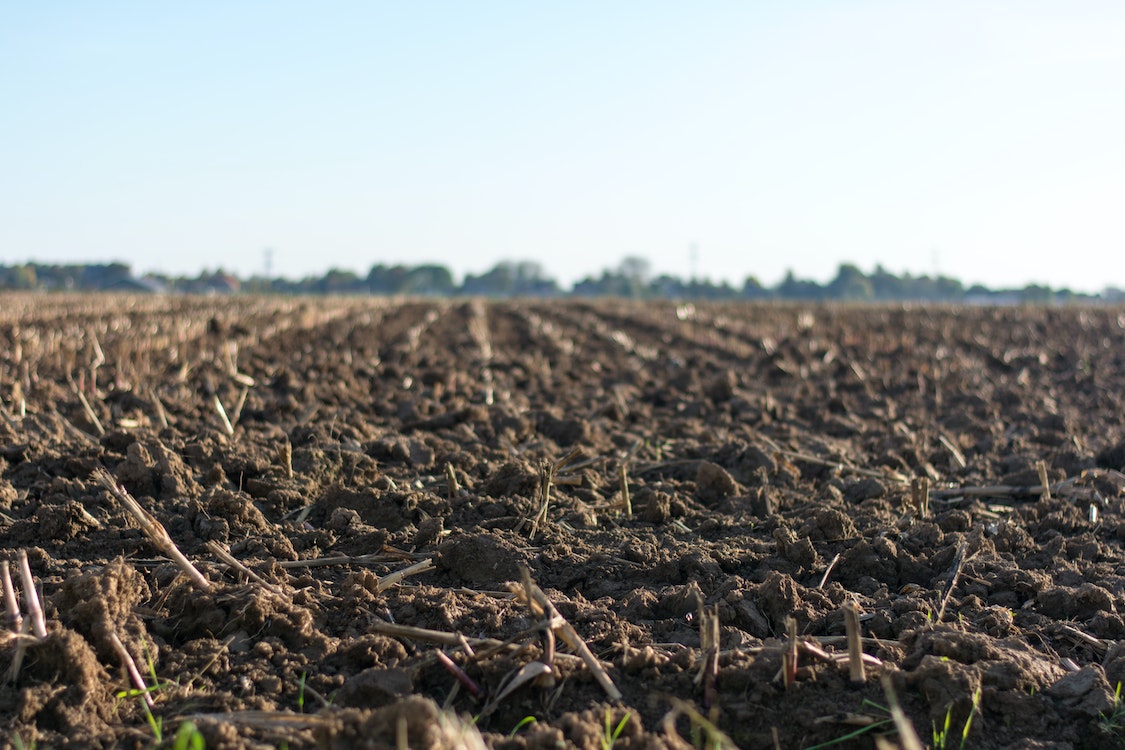
When wet, soil turns dark brown, sometimes black. Its color depends on a number of factors, including its geographic location, altitude, temperature, water sources, and protein composition. For more information, visit the United States Department of Agriculture’s webpage on soil color. Here, you can learn what causes soil to turn a particular color.
The color of soil is a good indicator of its organic content. A dark-colored topsoil typically contains a high level of organic matter. This organic matter is responsible for many of the soil’s desirable properties. For example, soils with a high proportion of organic matter are easy to till, soak up water quickly, and hold more nutrients for plants.
Soil’s color can change over time, depending on several factors including weather patterns, dry seasons, and oxidation-reduction reactions. It also depends on the region. If the soil was exposed to higher oxygen levels, it would be red.
Blackish
Black soil color is the result of a mixture of different factors, including mineral content, moisture content, and organic matter. Organic matter consists of carbon-based compounds and is generally dark in color. These compounds are broken down by microorganisms and release nutrients for plants. Depending on the level of carbon and the moisture content, black soil is an indicator of high fertility.
The Munsell color system is used to classify soil profiles. It has a standard range of colors that correspond to different soil types and classifications. In this system, the color “black” corresponds to a lower value of chroma than a lighter-colored counterpart. The colors are then classified according to their hue.
Color is important for soil identification. It is used to group different soil types and to differentiate between them in the classification system. The development of soil color is part of the process of weathering. In this process, rock-containing iron oxidizes and forms small crystals. In addition, organic matter decomposes and forms black mineral deposits. The type of environment also affects the soil’s color. Aerobic environments produce uniform colors, while anaerobic ones tend to disrupt the color flow.