

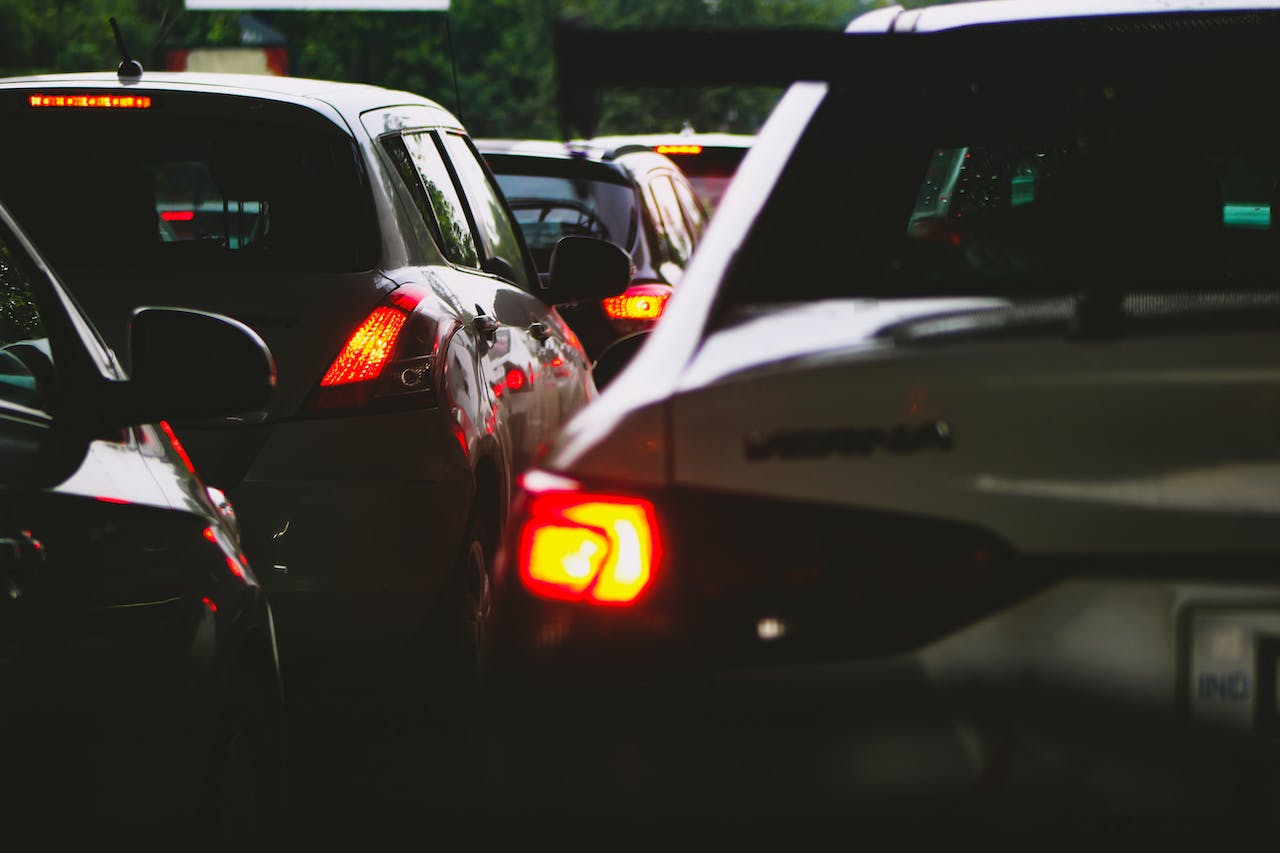
Aggressive driving can lead to road rage, which may cause serious injuries. To prevent this, you should keep a safe distance between your vehicle and the one in front of you, avoid hand gestures, and drive at an appropriate speed for current traffic conditions.
Remember, the person yelling in your face is just a human being, not an inanimate object, so treat them with respect and kindness.
Look for the red light
When someone is in the midst of road rage, they are often acting on impulse. They may speed, change lanes without a signal or tailgate other drivers. These drivers may also break the law by running red lights or illegally passing stopped school buses. An angry driver may also gesture or use profanity, even while driving, to express their frustration and anger.
If you encounter a road rager, stay calm and avoid making eye contact with them. Doing so will likely encourage them to move on and leave you alone. It’s also a good idea to pull over for a moment so you can breathe deeply and calm down. Resist the urge to retaliate or get into an argument with them; this will only escalate the situation and put your safety at risk.
Aggressive driving is dangerous and puts the lives of other motorists and pedestrians at risk. It can lead to serious injuries or even death. Often, road rage spills out of the car and into the street, where the driver can be seen throwing items at another vehicle or attempting to physically harm them with their own vehicle.
Regardless of where you live, there are some common reasons for road rage incidents, including traffic delays and parking issues. In addition, certain medications can trigger aggressive behavior while driving. The best way to prevent road rage is to be mindful of your emotions and driving habits, especially after a stressful day at work. It’s also important to practice safe driving, keep a photo of your family on the dashboard and drive at an appropriate speed for current conditions. You can even save money on your nonstandard auto insurance by following safe driving habits.
Look for a flashing light
One of the most dangerous forms of road rage is when a driver attempts to use their vehicle as an instrument of harm. This can include side-swiping another car, ramming them or even running them off the road. A recent study found that over half of all fatal crashes in the United States involved aggressive driving behaviors.
In many cases, a person with road rage simply wants to get from point A to point B. Aggressive driving can be triggered by many things, including running late, a lack of sleep and a disregard for the safety of other drivers. Understanding UK road rage will help you deal with it if you experience it firsthand.
While it may be tempting to return a rude gesture from a person with road rage, it is best to just leave them alone and drive on. Returning a gesture will only encourage the individual to escalate their behavior. If they follow you, consider driving around to different routes so that you are not leading them to your home or other places they might have a reason to visit.
If you do have to pull over and let the person with road rage know that you need to go somewhere, make sure to park in a well-lit area. This will ensure that the person can see your vehicle and is less likely to attempt any type of assault or robbery.
If you have been a victim of road rage, it is important to consult with a personal injury attorney to discuss your case and possible compensation.
Look for a horn
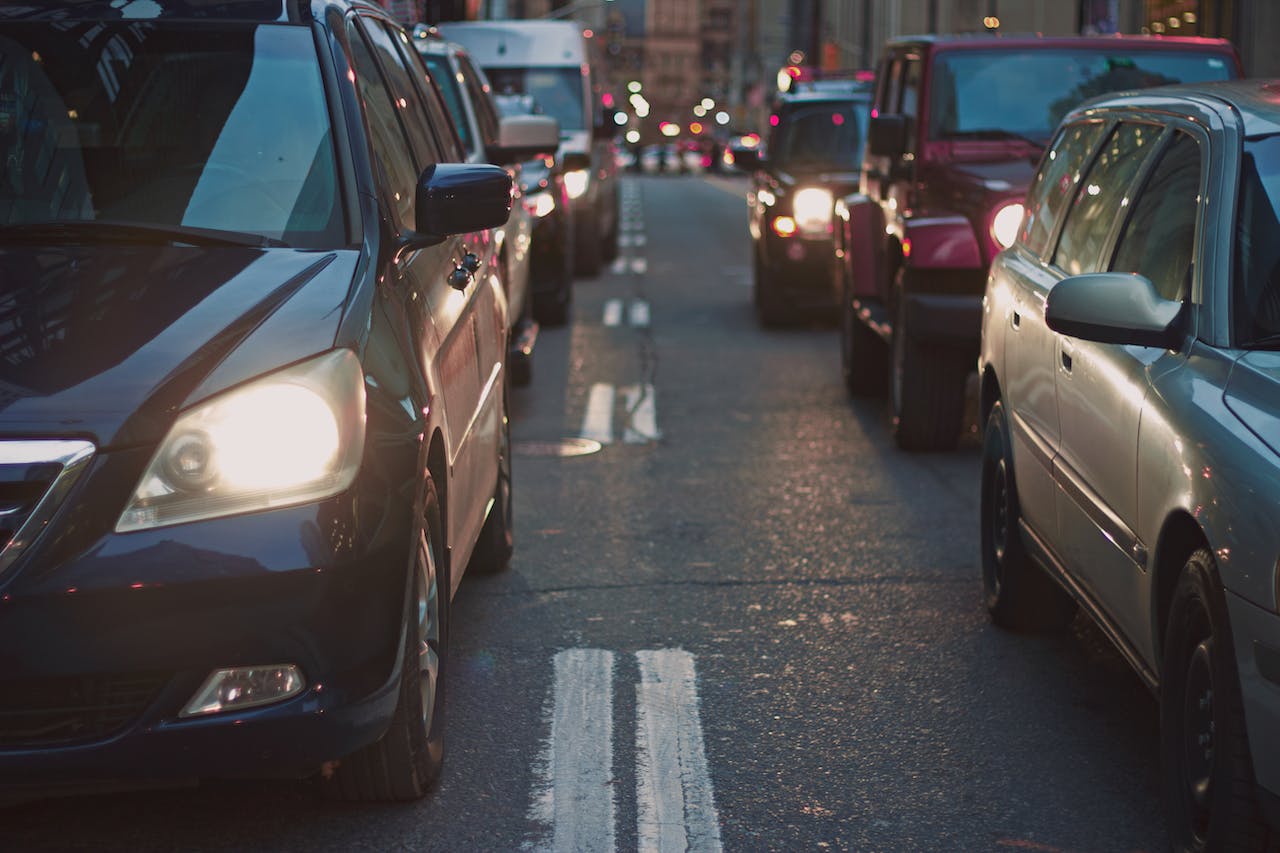
The most common sign of road rage is excessive honking or yelling while driving. Angry drivers also tend to make rude gestures while driving. They might also weave in and out of traffic or tailgate other vehicles. In extreme cases, road rage can escalate into ramming other cars or even physical confrontations. Aggressive driving puts everyone on the road at risk for dangerous injuries and deadly crashes.
Road rage often occurs when someone is already stressed from other areas of their life. It may also be triggered by frustration with traffic or the driver behind them. For example, a driver who is late for work might see another driver overtake them and then slow down as they pass. This slowing can cause the original driver to become frustrated and angry, especially if they think the other driver was deliberately trying to stall them. Then the driver might start tailgating the other vehicle to get revenge.
When you see a driver who is constantly honking their horn or making rude gestures, it is best to stay away from them. This is especially important if the driver is following you to your home or workplace. In these cases, the driver may attempt to retaliate against you by stalking or trespassing, which could result in a serious personal injury.
Aggressive driving is responsible for 7 million car accidents a year, and many of these involve people being injured by other aggressive drivers. If you’ve been the victim of an accident caused by a road rager, you should consult with a personal injury attorney to learn more about your legal options. You might be entitled to compensation for your injuries.
Look for a license plate
When a road rager is around, try to keep your distance. If you can, record their license plate number and their location before pulling over to report them to the police. Do not get out of your car to confront them; they may have weapons that you do not know about. If they continue to harass you, do not go to your home, work, or other places you frequent. Instead, drive to a busy public site with lots of witnesses or a police station.
A person who experiences road rage is often under stress in other areas of their life, so they use the road as an outlet for their emotions. They will often honk their horn excessively and make obscene gestures while driving. They will also speed, make careless lane changes, and run red lights. They may even ram other drivers’ vehicles.
These actions are dangerous to themselves and others and can lead to violent confrontations. They can also cause your car insurance rate to increase, so it is best to avoid them.
Whether you are driving on a busy highway or a residential street, always leave plenty of “escape” room. This is especially important in cities, where a person who experiences road rage will likely be enraged over every little thing. If you notice a driver tailgating you, try to move into another lane or reduce your speed. If you cannot do this, then slow down and pull off the road.
Getting into a fight with someone who is experiencing road rage can be very dangerous, even fatal. A person who is in the throes of road rage will do anything to win, including using their vehicle as a weapon.
Look for a person
As you approach a road rager, keep your eyes on the road and try to avoid eye contact. Staring an angry driver in the eye can turn an impersonal encounter into a personal duel that could escalate into a violent confrontation.
If you’re able to safely do so, use your horn and turn on your hazard lights to attract attention from the other driver. This can discourage an aggressor and prevent them from following you home, work or any other place where they might be able to retaliate.
Remember that many people who drive aggressively are having a bad day, are under the influence of alcohol or drugs or just have too much on their mind. They’re likely feeling frustrated and irritable from work, a relationship or family issues. When they’re on the road, it’s easy to make driving mistakes and become overwhelmed by traffic or other drivers’ bad behavior.
The best way to prevent both your mistakes and other drivers’ mistakes is to get adequate sleep, control your own emotions and be mindful of others while you’re on the road. If you can, don’t engage with someone who’s exhibiting road rage by honking at them or trying to yell back. Instead, call the police if it’s safe to do so and give them the aggressive driver’s license plate number and a general visual impression.
If you’re not comfortable calling the police, find a safe place to park and exit your vehicle. Don’t pull over on the side of the road, as this can be interpreted as an invitation for a confrontation. If the other driver is still pursuing you, drive to a public location like a police station, convenience store, shopping center or hospital.