

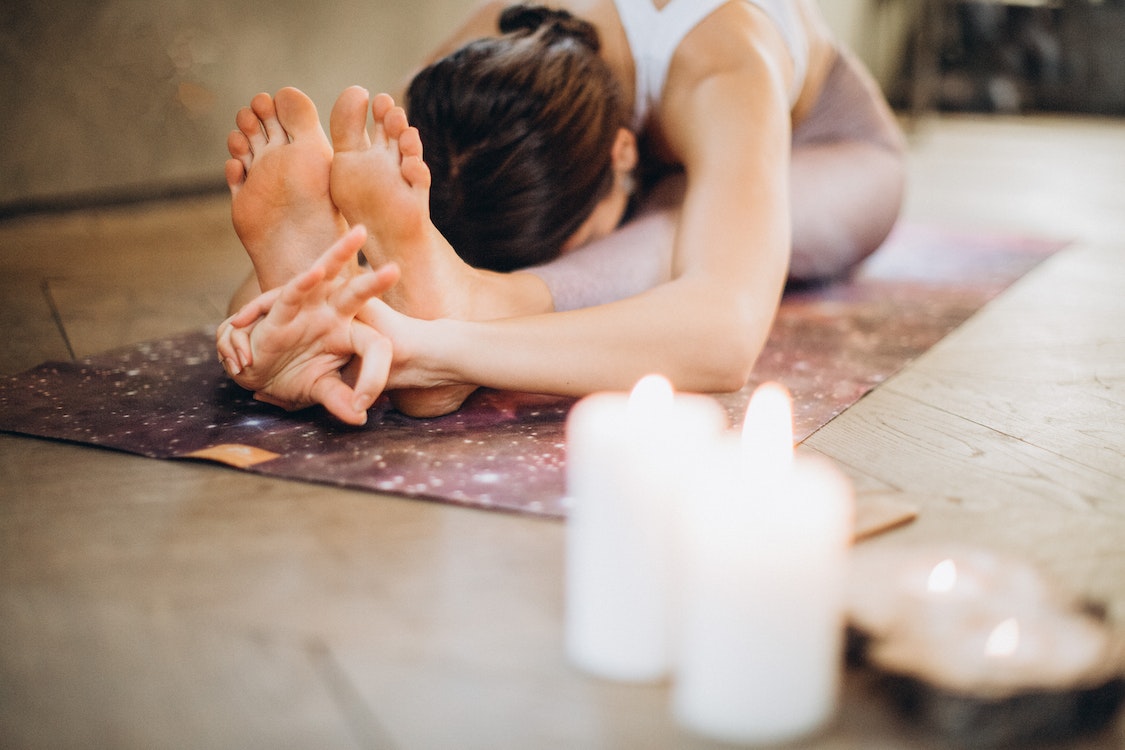
Mindfulness meditation is gaining popularity as an effective way to relieve daily stress and anxiety. It doesn’t require any special tools or props, and can be done anywhere.
For those new to mindfulness, it’s best to start small with short sessions and gradually increase the duration. It can also be helpful to use guided meditations when getting started.
Getting Started
Mindfulness is a practice that takes time and dedication to develop. While this might seem overwhelming, getting started is easier than you might think. In fact, mindfulness meditation only needs to take a few minutes each day, making it the perfect addition to busy lifestyles. It also has the potential to bring huge benefits to your life, including decreasing stress levels, improving focus and boosting self-esteem and productivity. The well-being blog at Better Tools has the perfect guide to help you get started.
The first step to incorporating mindful meditation into your life is finding the right motivation and intention. This might mean talking to a counselor or therapist, taking mindfulness classes, signing up for an online course, downloading meditation apps, or reading books. While these options may differ, it is important to find a practice that works for you.
While most people do mindfulness meditation for relaxation and to increase their wellbeing, it can be helpful for a wide range of other health concerns. Several studies have shown that mindfulness can help reduce the symptoms of chronic diseases like fibromyalgia and asthma, ease depression, anxiety and low self-esteem, improve sleep quality and decrease high blood pressure.
Mindful meditation has also been proven to change brain structure and function, helping grow gray matter in some areas of the brain, produce greater activation in others, and improve connectivity between different parts of the brain. In one study, a mindfulness meditation program called MBCT significantly reduced depressive symptoms in chronically depressed patients, resulting in lower health care costs (Shawyer, Enticott, Ozmen, Inder, and Meadows, 2016).
A mindful meditation practice can benefit any age group, but it is particularly beneficial for young people. Research has shown that it can help students with academic problems, such as low concentration and memory, and decrease feelings of stress and depression. In addition, it can teach children how to regulate emotions and manage their moods.
To get started with mindful meditation, try the following exercises and activities:
Short Sessions
Whether your client suffers from anxiety, stress, pain, or mood disorders, mindfulness can help. Studies on meditation show that practicing it improves emotional and physical health, reduces symptoms of stress and depression, and boosts resilience. It also has positive effects on the brain, enhancing cognitive abilities and increasing gray matter density in areas associated with learning and memory.
Mindfulness meditation is about observing the mind and body as you are in a particular situation, such as when you’re working or exercising. The goal is to notice any distractions and return to your meditation object (breath, sounds, body sensation, etc.). Some people find it helpful to listen to soothing music or white noise, while others prefer silence. There’s no right or wrong way to meditate, and even short sessions can have a powerful impact.
SNHU’s Mindfulness and Well-Being Program offers a variety of classes, workshops and retreats throughout the year. In addition, you can tap into many free and downloadable apps designed to enhance your mindfulness practice. One of the most popular is Calm, which helps users focus by reporting on their state of mind and offering daily practices. Its extensive collection of programs includes guided meditations of varying lengths, and it also allows you to look up meditations by duration.
Another option is to sign up for a mindfulness-based stress reduction (MBSR) class or a similar type of mindfulness-based therapy program. MBSR has been shown to be beneficial for a number of conditions, including stress and depression, pain management, and even improving cancer patients’ quality of life (Zernicke, Campbell, Speca, Ruff, Tamagawa, and Carlson, 2016).
As with any new skill, mindful meditation takes time to master. But it is not only a tool for adults, and children who learn to meditate early in life are better prepared to cope with the stress and anxiety that often comes with growing up. It can also help them develop stronger attention skills, which may make it easier to stay focused in the classroom. SNHU’s Mindfulness and Well-Being program focuses on training young minds to practice mindfulness.
Guided Meditations
Whether you’re new to meditation or an experienced practitioner, a guided meditation session can help you relax, relieve stress and clear your mind. These sessions, which are available online, in app form and on mindfulness retreats around the world, provide step-by-step instructions to get you into a deeper state of relaxation and clarity.
Compared to unguided meditation, which involves concentrating on a sound, movement or an object in nature, most guided meditations focus on a particular aspect of one’s mind and body. This makes them easier for beginners to follow and can help prevent a sense of being overwhelmed by the thoughts that tend to overtake the mind during meditation, which may derail efforts to stay focused.
Some popular types of guided meditations are based on breathing, a physical activity or a mantra (a sound, word or phrase that you repeat mentally to help stabilize your attention). Other techniques, such as loving-kindness (metta), which involves directing feelings of love, compassion and goodwill towards others, can increase how connected you feel in your daily life.
You can find guided meditations on a variety of websites and in apps, such as Headspace, Calm, Insight Timer and 10% Happier. It’s important to choose a guided meditation that aligns with your goals and lifestyle. A quick search on the app store can provide a wealth of choices, but not all are created equal, and it takes time to find a meditation that works best for you.
In addition to finding a meditation that resonates with you, it’s also important to listen to your intuition and practice consistency. The key is to commit to a short meditation session that fits into your day-to-day schedule and then gradually build up the length of time you meditate each day.
A short session can range from as little as 30 seconds to 10 minutes. For those who are new to meditation, the short duration helps them build up their concentration and endurance over time. It’s also a great way to keep your mind from wandering and allows you to focus on what feels most relaxing to you.
Staying Focused
Our minds are often lost in thought, and it’s not uncommon for them to focus on negative feelings like sadness or anxiety. During mindful meditation, you can learn to recognize these thoughts and bring your attention back to the present moment, thus reducing stress and emotional turmoil.
In fact, studies show that mindfulness reduces symptoms of depression and anxiety in college students (Rogers, Ferrari, Mosely, Lang, & Brennan, 2017). It also improves eating behaviors and attitudes, helps with weight loss, promotes physical health by improving sleep quality, and decreases the amount of pain associated with certain chronic conditions, such as arthritis and migraine headaches.
The key to incorporating mindfulness into your daily routine is consistency. Although the duration and location of your meditation session can vary, it’s important to establish a routine that you can stick to long-term. Start by committing to meditate at the same time each day, and gradually increase the length of your sessions as you become more comfortable with the practice.
Many beginners struggle to stay focused during mindful meditation, which is completely normal. The easiest way to begin is by focusing on your breathing. This simple task trains the brain to focus on one thing at a time, and eventually you’ll be able to apply this skill to other tasks as well.
Eventually, you can move on to focusing on other activities that you do every day. For example, if you’re washing the dishes or taking a walk, you can use mindfulness to enhance those experiences by fully engaging your senses. For example, you can notice how the water feels on your hands or the breeze blowing through your hair. You can even count each breath as you inhale and exhale to help you stay engaged.
In addition to reducing stress and increasing energy, mindfulness is an excellent tool for addressing high blood pressure. In fact, a 2015 study found that mindfulness can significantly lower blood pressure and the risk of atherosclerosis in people with high cholesterol levels. It can also reduce triglycerides and reduce inflammation in the body, which is associated with high blood pressure.