

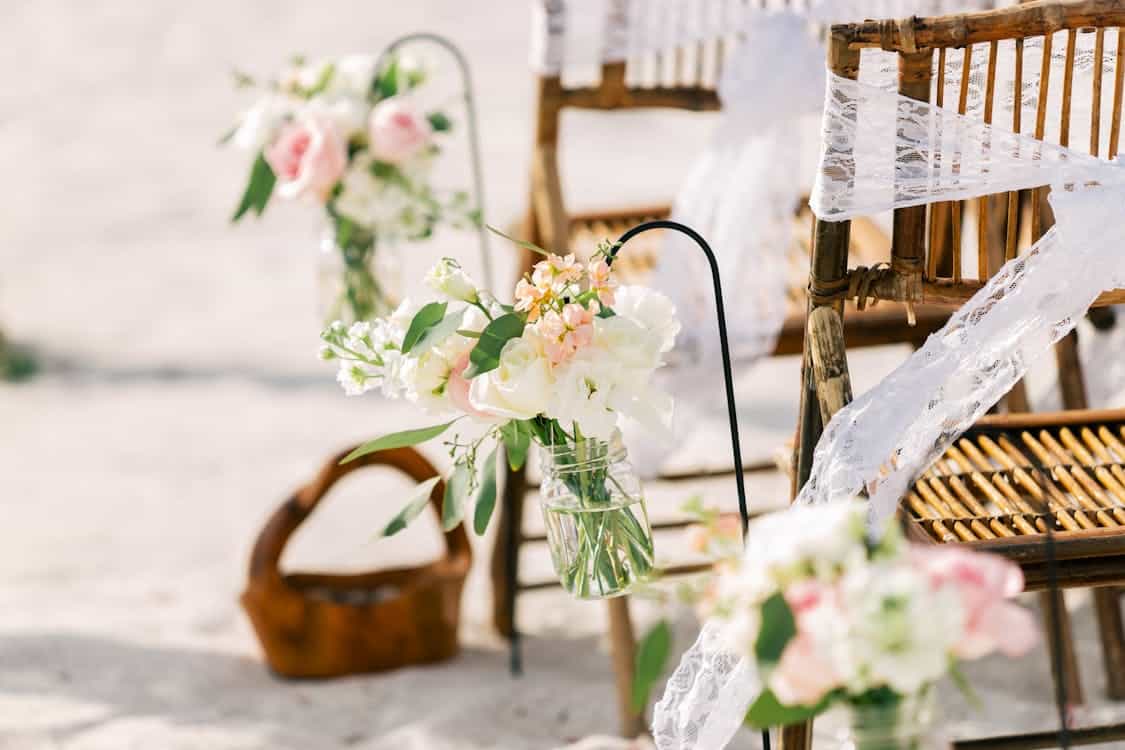
Choosing flowers for a wedding is part taste and part logistics, and the right blooms can make a space feel like it was built for the day. Think about flow, scale, and how each arrangement will sit in a room or under the sky; good flowers do more than decorate, they set a tone.
A measured approach that links venue, season, and personal style will save time and keep stress low while still allowing for creative choices.
Venue Type And Style
The character of a place should guide the flower selection so that the blooms speak the same visual language as the walls and surroundings. A rustic barn calls for garden style stems and loose groupings that read as natural and lively, while a sleek gallery will want clean lines and restrained palettes to complement modern surfaces.
Think about repetition of certain elements to tie the room together, such as repeating a single blossom type in centerpieces and bouquets to create cohesion. Small gestures like echoing a venue color in ribbon or foliage can have a big impact without overdoing it.
If you’re in Toronto, flowers that match the scenery of Toronto, such as wildflowers for outdoor venues or sleek orchids for modern settings, can tie everything together beautifully.
Scale And Proportion
Scale matters when flowers meet architecture, because tiny arrangements can vanish in a grand hall and massive pieces can overwhelm a tiny chapel. Match the size of installations to ceiling height and table width, and make sure aisle markers and altar pieces leave enough sightline for guests.
When in doubt, choose one focal piece and let other decorations play supporting roles so the overall scene feels balanced. One or two dramatic moments often read better on camera than dozens of competing elements.
Lighting And Time Of Day
The way blooms look under warm incandescent light differs from their appearance in cool daylight, and twilight ceremonies bring a different mood still. Choose flower colors and textures that hold up under the light you will actually have, since photographs capture what the eye sees and sometimes what it does not.
Glossy leaves and lighter petals reflect light well, while deep velvety blooms provide contrast and depth when light is low. Test a small arrangement in the venue at the time of day of your event when possible, because a quick check can save surprises.
Indoor Ceremonies And Reception Halls
Indoor settings offer control over many variables which makes careful planning rewarding and often more predictable. Fabrics, carpet, columns and chandeliers become part of the composition so pick flowers that work with these fixed elements rather than fight them.
Keep traffic flow and seating sightlines in mind, placing taller pieces where they will not block views and lower groupings on dining tables to encourage conversation. Small touches like matching napkin bands to a bloom hue can tie the room together without heavy lifting.
Outdoor Gardens And Beaches
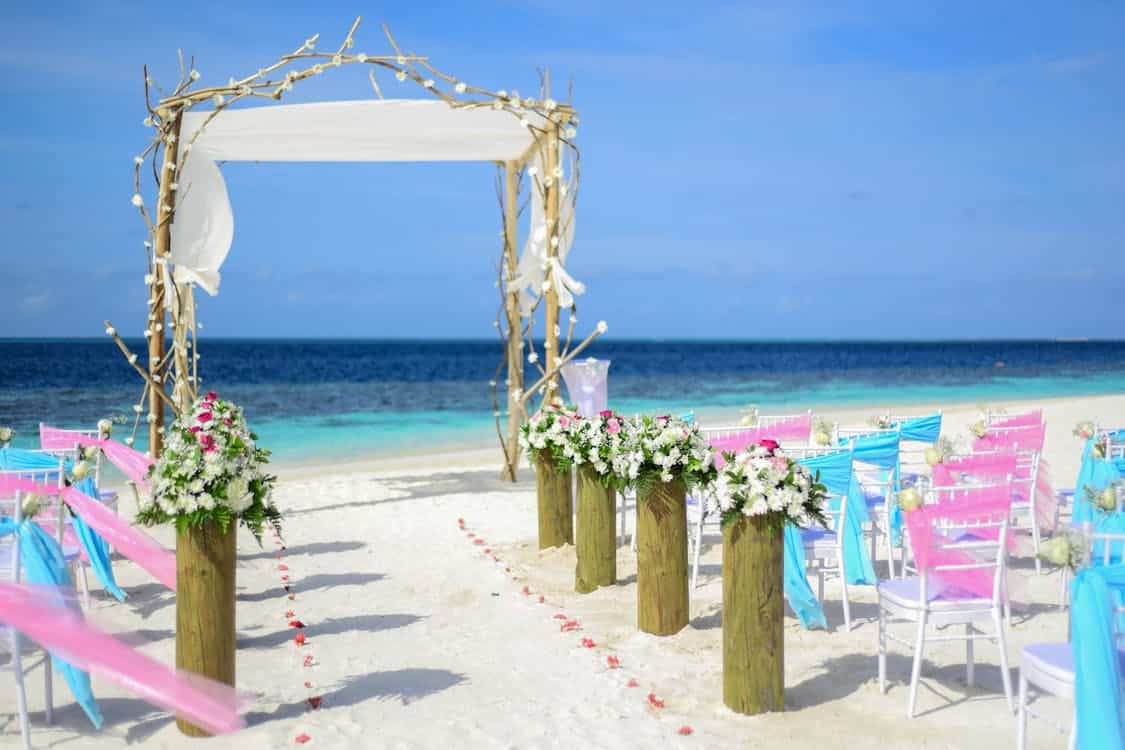
Open air venues bring a sense of freedom but also more movement from breeze and humidity to manage, so choose hardy stems and secure wiring when needed. Flowers that move and sway can look magical in natural settings, but make sure arrangements are anchored and that fragile blooms will survive a few hours in sun or salt air.
Use foliage and textural contrasts to echo the landscape, such as woody stems in a forest garden or seaside grasses at the shore. Keep backups with the florist and a small emergency kit for petals that bruise or stems that split.
Historic Buildings And Churches
Older spaces with ornate architecture benefit from floral designs that respect the period and scale of design while adding fresh life to stone and wood. Lean toward classic shapes and palettes that complement architectural details, and avoid overly trendy props that can fight the setting.
Work closely with venue staff about safe attachment points and any rules for candles, height limits or altar adornments to avoid last minute problems. Frequently a few well placed arrangements will highlight historic features without masking them.
Modern Minimal Spaces
When the venue is pared back and open, flowers are the opportunity to introduce warmth, color and a sense of the personal without clutter. A small number of high impact pieces or a carefully chosen palette can punctuate clean lines and allow each flower to be seen and admired.
Monochrome or tonal schemes can be striking, and negative space often acts as a framing device that lets blooms stand out. Think of the room as a stage and the floral elements as lead actors who must be allowed room to perform.
Seasonal Flower Choices
Working within the available season will stretch your budget and increase the likelihood of fresh long lasting stems, since flowers that are grown nearby often travel less and stay in good shape. Seasonal blooms can still feel special when paired with unusual foliage or a distinctive container that gives them a fresh look.
Ask the florist to show local options and to point out any unexpected varieties that deliver a similar color or texture to an out of season choice. The result tends to be more sustainable and often more affordable than forcing blooms from far away.
Color Palette And Texture
Color tells a quick story about mood and form, while texture provides the tactile layer that keeps arrangements from reading flat on camera and in person. A limited palette of two or three colors plus a neutral will create coherence, and mixing open blooms with buds and berries will bring depth and interest.
Consider how table linens, bridesmaid dresses and invitations will play with floral colors so everything feels pulled together rather than competing for attention. When you use contrast in texture, even a restrained palette can look rich and layered.
Practical Logistics And Budgeting
Logistics like delivery windows, set up time and breakdown rules shape what kind of arrangements are practical for a given venue, so plan with those limits in mind and allow buffer time. Ask about load in points and where florists can stage work so that installations happen smoothly and without rushing the staff or the bridal party.
A clear list of priorities for where to invest more of the budget and where to save will keep decisions on track and help the team make smart trade offs. Good communication with the venue and vendor team keeps stress low and gives everyone a common set of expectations.
Working With Florists And Vendors
A florist who listens and adapts will feel like an ally rather than a vendor, and a short portfolio review of previous work in similar venues says more than a long description. Provide photos of the venue, notes on timings and examples of what you like and do not like so the professional can propose workable options instead of starting from scratch.
Ask for mockups or small samples when possible, and set clear agreements about delivery, set up and takedown so the day runs smooth. A few smart questions up front will keep surprises to a minimum and let the creative part breathe.