

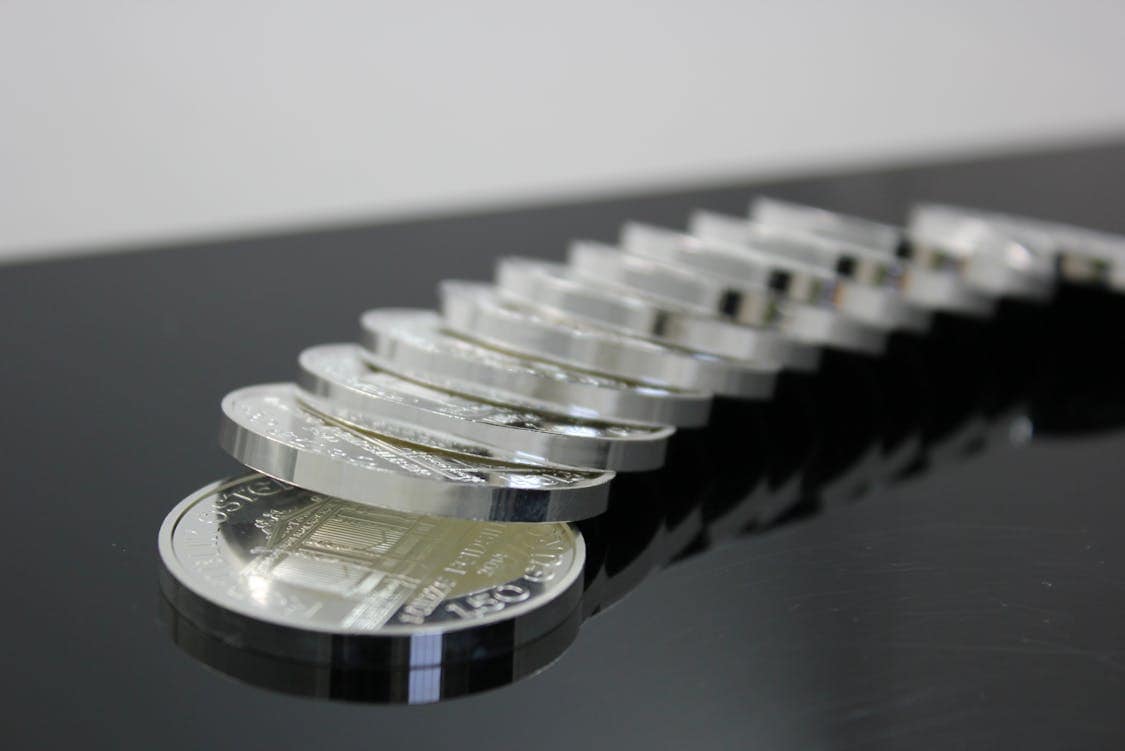
People have long compared silver and gold when deciding what suits taste, budget and practical needs. Each metal brings distinct history, chemistry, market motion and style cues that appeal to different people.
A clear look at the facts paired with a bit of gut instinct helps narrow the choice. Expect some solid data that makes the pros and cons easy to hold in your mind.
History And Cultural Value
Gold has symbolized power and wealth in many civilizations for thousands of years, so its cultural weight runs deep. Silver played a strong role as currency and ornament and often bridges the gap between the sublime and the everyday.
Religious artifacts, crowns and coins usually favor gold for its shine and rarity, while silver has been prized for its accessibility and subtle charm. Both metals carry tales and traditions that shape how people value them today.
Physical Properties And Durability
Gold resists tarnish and corrosion, so it keeps a warm glow with relative ease over time. Silver is softer and reacts with sulfur compounds in air, which leads to darkening that can be cleaned or embraced as patina.
In terms of hardness, alloy choices matter a lot because pure gold or pure silver on their own are too soft for heavy wear. The metals differ in weight, malleability and thermal properties, which affect how they are used in crafting and industry.
Color And Visual Appeal
Gold offers a warm, yellow tone that has long signaled luxury and permanence in jewelry and interior accents. Silver gives a cool, bright look that often feels modern, crisp and versatile with many color palettes and fabrics.
Both colors can be plated, mixed with other metals or alloyed to shift hue and strength, so the raw appearance is not the whole story. Personal taste rules here because one tone matches a wardrobe while the other might clash or complement.
Jewelry And Fashion Preferences
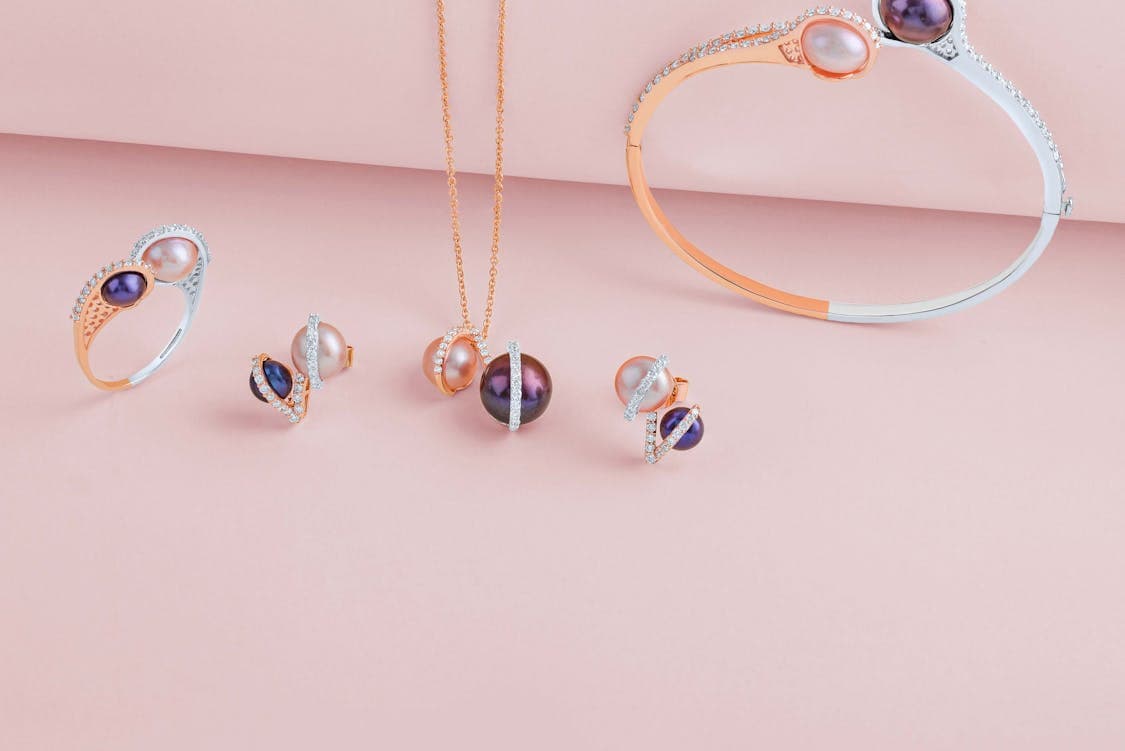
Gold often makes a bold statement and pairs naturally with deeper skin tones and formal attire, creating a classic presence. Silver tends to be more casual friendly and blends into daily wear in ways that feel effortless and low fuss.
Designers pick one or the other to shape a mood, and many people combine both metals when they want contrast and texture. Style choice often traces back to habit, family traditions and the kinds of pieces someone prefers to wear every day.
Investment And Market Behavior
Gold is widely seen as a hedge when markets wobble because it holds perceived safe haven value and often rises when confidence dips. Silver trades like both an investment and an industrial metal, which can make its price more volatile and responsive to economic shifts.
Bullion, coins and bars come with storage and liquidity considerations that affect how an investor thinks about each asset. When buying for investment or style, it’s wise to consult reputable gold and silver dealers who can provide verified weights, purity, and current market prices.
Industrial And Practical Uses
Silver has unique electrical and thermal conductivity that makes it vital in electronics, solar panels and medical tools, so industrial demand can push its price. Gold gets used in precision electronics, dentistry and aerospace thanks to its conductivity and resistance to corrosion, though overall industrial demand is smaller.
The balance of industrial need and decorative use helps explain why prices for each metal move the way they do in different cycles. Practical use adds another layer to how spare metal inventories are valued by markets.
Price And Affordability
Gold typically trades at a higher nominal price per ounce, which makes smaller gold pieces a bigger bite out of a tight budget. Silver offers a lower entry point that allows people to buy more metal for the same cash, which can appeal to collectors and hobbyists.
Price per ounce does not tell the whole story because craftsmanship, rarity of design and brand can drive retail cost much higher. Budget choices connect to personal priorities, whether one cares more about metal weight, design or resale.
Maintenance And Care
Gold is relatively low maintenance and generally keeps its luster without frequent cleaning, especially when alloyed for strength. Silver will darken with exposure and asks for periodic polishing if a bright finish is desired, though many people like the mellow look of an aged surface.
Storage, cleaning methods and the frequency of wear all affect how much time you spend caring for a piece. Tools and routines for upkeep are simple enough that most owners can keep their items looking good for years.
Choosing Based On Lifestyle
If you live an active life and want a piece that resists daily wear and looks polished with minimal fuss, gold often fits that bill. If you prefer casual pieces that can be replaced without guilt and that pair well with both denim and dress shirts, silver might be the better match.
For investment minded individuals who want a long term hedge, gold commonly attracts steady interest from conservative investors. Taste, budget and how you plan to use the metal in daily life will guide a choice that feels right for you.