

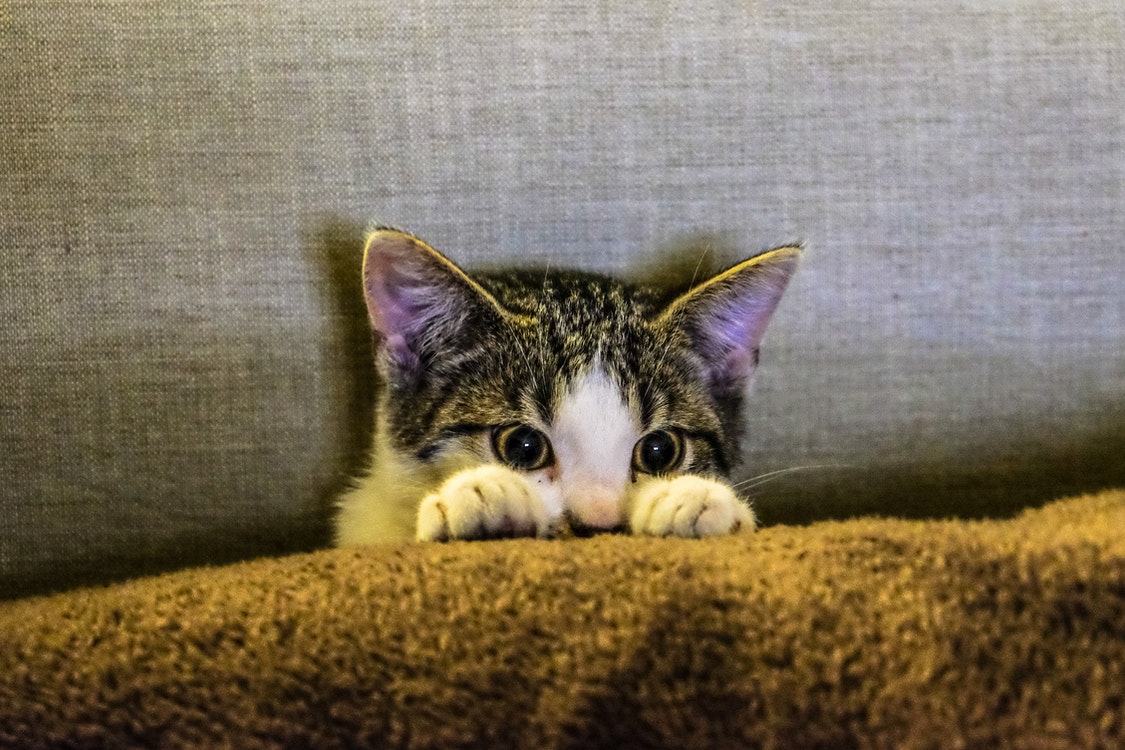
With the increase in temperature, a wide variety of bugs are now descending upon our homes. While most of us are aware of the risks from illnesses such as Chagas disease and Zika, many insects can pose a risk to our pets. To protect your animals, you can try using some of the tips mentioned below. Vacuum frequently and clean their bedding. Use natural insect repellents.
Vacuuming Frequently
While vacuuming does not kill all fleas, it can kill all stages of them, including adults and pupae. This study shows that vacuuming often is effective in removing fleas from carpets and rugs. The lead scientist repeated the tests several times before he came to the conclusion that vacuuming is effective. Vacuuming often also helps remove eggs. To get rid of fleas, vacuum your carpets and rugs at least twice a day.
Vacuuming regularly can also help protect your pets from fleas and other insects. During the breeding season, fleas will lay eggs, and these eggs will drop into your carpet, bedding, furniture, and floors. Flea eggs hatch into legless larvae that feed on the digested blood of your pet. The blood from your pet flakes continuously, attracting fleas and eggs to the area. Thorough vacuuming can remove up to fifteen percent of flea eggs and larvae. It also straightens the fibers of your carpeting, enhancing the penetration of insecticide sprays.
In addition to vacuuming your carpets and floors, you should clean dog bedding and rugs regularly to keep them free from fleas. It is also important to clean birdbaths and swimming pool covers, as well as the area around outdoor faucets. Vacuuming frequently can also keep pet feces, bird, and animal food out of the house. It is essential to vacuum pet feeding areas often to protect your pets from insects.
Vacuuming often can also help prevent fleas and ticks from living in your home. These insects tend to hide in deep places, so vacuuming regularly will remove the traces of their existence. Using a vacuum will remove crumbs, lint, pet hair, and other debris that pests can snack on. Once the larvae are dead, the insects will no longer be able to reproduce and leave behind their eggs and feces.

Cleaning Pet Bedding
Dog beds are cozy places for your pup to curl up. But, they also harbor germs, pet odor, and other contaminants. Keeping your pet’s bed clean is essential to his or her overall health. In addition to washing the dog bedding regularly, you should treat it with anti-microbial soap or another hygienic cleaning product. It is also important to address any stains or pests that may be present.
It is recommended to use an enzyme-based cleaner that helps break down organic matter and remove stains. Always wash your pet bed before putting it away, as harsh chemicals may damage your dog’s skin. You can also vacuum your dog’s bed regularly and wipe it down with a mixture of vinegar and water. Once a week, place it in direct sunlight to kill bacteria. In addition, you can use enzyme-based cleaning products to keep your pet bed fresh and odor-free.
In addition to regular washing, you should also consider using scent-free laundry detergent for the bedding of your pets. By avoiding scented detergents and using a mild, natural detergent, you can prevent the spread of bed bugs. Furthermore, the CDC recommends that you use a scent-free detergent to avoid irritating your pets’ sensitive skin. Then, make sure to keep your home clean from pollutants and odors.
Dog beds have several advantages besides being easy to clean. Not only do they keep your pet’s skin and paws fresh, but they also make your home cleaner! Casper dog beds are a good example of this. They feature a durable cover and memory foam padding to provide your dog with the proper support and comfort. Unlike the soft, floppy versions, Casper dog beds come with removable covers and are machine washable.
Whether you have a removable cover for your pet’s bed or one that’s not, you should always check and clean it thoroughly to prevent bedbugs. If you find a bedbug infestation, you should hire an exterminator. If the infestation is not treatable, you should remove your pet from the home and contact an exterminator. Make sure to follow the instructions carefully when introducing your pet back into the home after the treatment.
Avoiding High Traffic Areas
To protect your pet from insects, avoid walking your dog in high-traffic areas such as grassy or wooded areas. Changing your vacuum bag regularly will help kill 30% to 60% of the fleas that can spawn from an untreated area. The AgriLife Extension Service recommends frequent bag changes and using flea collars to kill emerging fleas. Also, avoid leaving food outside overnight because wildlife may come by and bring in fleas.
Using Natural Insect Repellants
A homemade spray of essential oils will keep mosquitoes and other bugs away. It is safe for pets and does not contain any chemicals. Diatomaceous earth is a natural insect repellent that is made from microscopic fossilized aquatic animals. It is effective against bugs that have an exoskeleton. It is also safe for mammals to ingest and is often used to treat internal parasites. To make your own spray, simply mix essential oils in a 20-ounce spray bottle. Apply a few drops to your dog’s skin or ears. It is best to dilute the essential oils before using them on your dog.
EPA-registered products have minimal toxicity when applied to the skin. However, exposure to the product may result in inhalation or accidental ingestion. Hence, it is important to follow the label instructions carefully. While the concentrations of insecticides are low when applied to the skin, multiple exposures can cause severe reactions. Regardless of the type of repellent used, it is important to follow the directions on the label.
Homemade bug spray made from herbs and essential oils can protect pets from mosquitoes. Herbs such as rosemary, catnip, and lemon balm attract a wide variety of insects and can be used as repellents on dogs. Several plants, such as rosemary and lavender, can also repel mosquitoes. Using these natural repellents is safe for your pets and can even be a fun hobby.
Insects and other insects are dangerous to dogs and are a serious health risk for dogs and cats. While some repellents can be safe for dogs, it is important to consult with your veterinarian before using them on your pet. If you are using the product for your pet, be sure to follow the manufacturer’s instructions on the label. Remember that insect repellents are not heartworm preventatives. Insects can carry deadly diseases and can make your pet ill.
Essential oils are effective at repelling mosquitoes, but they must be used in diluted form around animals. However, cats are sensitive to the scents of certain essential oils, so make sure you dilute them before applying them to your pets. Citronella oil can keep mosquitoes at bay if it is used on your cat. However, these repellents are not as effective as the toxic preventatives, so it is always recommended that you use them with caution. Organic flea collars also have essential oils that drive away fleas and ticks, and one of the best in the market is from dewelpro.